
![The King of Fighters 2002 Magic Plus II (bootleg) [Bootleg]](https://www.retrogames.me/wp-content/uploads/the-king-of-fighters-2002-magic-plus-ii-bootleg-bootleg-150x150.webp)
![The King of Fighters '97 Plus (bootleg) [Bootleg]](https://www.retrogames.me/wp-content/uploads/the-king-of-fighters-97-plus-bootleg-bootleg-150x150.webp)
In the vast pantheon of arcade classics, few franchises command as much recognition as Pac-Man. Yet, amidst the iconic yellow puck and his beloved Ms., there emerged a lesser-known, yet equally fascinating, chapter: Jr. Pac-Man. Released on November 9, 1983, by Bally Midway, this title ventured beyond the familiar mazes, introducing a fresh perspective and a host of gameplay innovations that set it apart from its predecessors. It wasn’t just another sequel; it was a bold reinterpretation that challenged players with its expanded scope and distinct personality, solidifying its unique place in retro gaming history.
A New Generation of Maze-Chasing
Evolved Gameplay and Unique Challenges
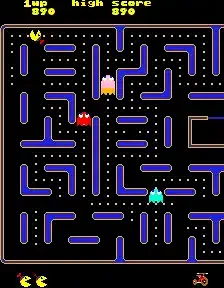
Unlike the static, single-screen mazes of previous Pac-Man titles, Jr. Pac-Man presented players with significantly larger, scrolling environments. This innovation introduced an element of exploration, as players had to navigate off-screen areas to find all the dots. Adding to the complexity, the game featured new “bonus items” that, when collected, would enlarge and transform the dots they touched, making them worth more points but also slowing Jr. Pac-Man down. This dynamic interplay between speed, reward, and risk was a core element of the Jr. Pac-Man gameplay. The game also introduced a new ghost, Snorkle, who joined the familiar quartet, further intensifying the pursuit and demanding even quicker reflexes and strategic thinking from players.
The Arcade Release and Reception
Developed and published by Bally Midway, the American licensee for Pac-Man, Jr. Pac-Man arrived in arcades during a period of intense competition and innovation. While it shared the core premise of its predecessors, its distinct visual style and gameplay mechanics immediately set it apart. The game’s release on 11/9/83 showcased Bally Midway’s willingness to experiment with the established formula, even diverging from Namco’s direct Pac-Man lineage. While perhaps not reaching the astronomical heights of its predecessors, the Jr. Pac-Man arcade cabinet found its audience, appealing to players looking for a fresh, more challenging take on the beloved maze-chasing genre. Its unique approach carved out a niche for this Pac-Man spin-off.
Legacy Beyond the Arcades
Why Jr. Pac-Man Endures
Despite its unconventional status within the Pac-Man family, Jr. Pac-Man remains a cherished title for many retro gaming enthusiasts. Its enduring appeal stems from several key aspects that distinguish it from other entries. For many, it represents a pinnacle of difficulty and strategic depth in the series, offering a more complex experience than its predecessors. It pushed the boundaries of what a Pac-Man game could be, proving that the formula still had room for innovation. The game’s distinct character design and charming cutscenes also contribute to its lasting charm. Here’s why this unique entry continues to captivate:
- Larger, dynamic scrolling mazes
- Challenging difficulty curve and strategic depth
- Distinct character design and animated intermissions
- A unique, experimental chapter in Pac-Man history
Jr. Pac-Man stands as a testament to the creative freedom and experimental spirit of the early 1980s arcade scene. While it may not share the universal recognition of its more famous relatives, its innovative gameplay, increased challenge, and unique charm have secured its place in the hearts of dedicated retro gamers. It’s a game that dared to be different, offering a fresh perspective on a beloved classic and proving that even a familiar formula could be reimagined with exciting results. For those seeking a deeper, more demanding maze-chasing experience, Jr. Pac-Man remains an essential and rewarding play.
Pac-Man