
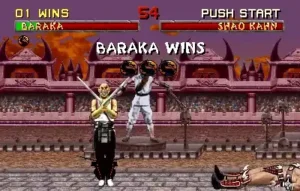
Play Mortal Kombat II (rev L3.1) online! It is one of the top-rated Arcade games you can play for free. No download, emulator, or setup required—jump straight into the action directly in your browser and start playing this classic in seconds.
In the annals of fighting game history, few titles command the reverence and nostalgia of **Mortal Kombat II**. Released in 1993, this arcade juggernaut didn’t just follow up on its predecessor; it redefined the genre, pushing boundaries of gameplay, graphics, and controversy. The specific L3.1 revision, often considered the most refined arcade version, cemented its place as a competitive benchmark, offering a finely tuned experience that ironed out earlier bugs and balancing issues. More than just a game, it was a cultural phenomenon, drawing crowds to arcades and sparking debates in living rooms worldwide. Its intricate mechanics and unforgettable characters ensured its enduring legacy.
The Evolution of Brutality: Gameplay and Mechanics
Building upon the foundational success of the original, Mortal Kombat II dramatically expanded its roster and combat system. Players were introduced to new iconic characters like Jax, Kitana, Mileena, and Kung Lao, each boasting unique move sets that encouraged deeper strategic play. The game refined the combo system, allowing for more fluid and damaging sequences, a significant leap from the more deliberate pace of its predecessor. Fatalities, the series’ infamous finishing moves, were ramped up in creativity and gore, becoming a signature element. Beyond mere destruction, MK2 also introduced “Friendships” and “Babalities,” offering humorous, non-lethal finishers that added unexpected levity and depth to its often-grim persona.
The **MK2 L3.1** revision was particularly crucial, representing the pinnacle of the arcade experience. It addressed various glitches present in earlier versions and implemented subtle balancing tweaks that made competitive play fairer and more engaging. The game’s AI was notoriously challenging, requiring players to master not just individual moves but also timing, spacing, and counter-attacks. This steep learning curve, combined with hidden characters like Smoke, Jade, and Noob Saibot, and secret fights against opponents like Ermac (a glitch-turned-character), ensured players kept feeding quarters into the machine, constantly striving to uncover every secret and conquer every opponent.
- Expanded Roster: Introduced fan favorites like Kitana, Mileena, and Kung Lao.
- Refined Combat: Deeper combo system and special moves for strategic depth.
- Iconic Finishers: More creative Fatalities, plus humorous Friendships and Babalities.
- Hidden Secrets: Unlockable characters and secret fights added replayability.
- Challenging AI: A high difficulty curve that demanded mastery and skill.
A Lasting Legacy: Cultural Impact and Enduring Appeal
Mortal Kombat II wasn’t just a game; it was a cultural touchstone of the 1990s. Its hyper-realistic digitized graphics and over-the-top violence ignited widespread debate, contributing to the establishment of the ESRB rating system. This controversy, however, only amplified its mystique, drawing even more attention to the game. Arcades buzzed with the sounds of “Toasty!” and players perfecting their “Flawless Victories.” The **Mortal Kombat 2 arcade** experience was unparalleled, a communal event where spectators gathered to watch skilled players execute intricate combos and gruesome finishers.
Its impact extended far beyond the arcade, influencing pop culture through movies, merchandise, and even music. The game’s distinct character designs, memorable catchphrases, and unique blend of martial arts fantasy with visceral combat left an indelible mark. Decades later, Mortal Kombat II is still celebrated for its tight gameplay, iconic characters, and the sheer joy of discovery it offered. It remains a benchmark for fighting games, a testament to its innovative design and enduring appeal.
Mortal Kombat II (rev L3.1) stands as a monumental achievement in gaming history. Its blend of innovative gameplay, unforgettable characters, and groundbreaking presentation set a new standard for the fighting genre. From its intricate combat mechanics to its pervasive cultural influence, MK2 transcended mere entertainment to become a true icon. It continues to be revered by retro gaming enthusiasts and fighting game aficionados alike, a testament to its timeless design and the sheer fun it delivers. Its legacy is not just in the blood and gore, but in the enduring joy and challenge it brought to millions.
![The King of Fighters 2002 Magic Plus II (bootleg) [Bootleg]](https://www.retrogames.me/wp-content/uploads/the-king-of-fighters-2002-magic-plus-ii-bootleg-bootleg-150x150.webp)

faizan111222
oldskool klassik !!!