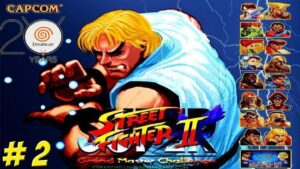
Play Super Street Fighter II X – grand master challenge (super street fighter 2 X 940223 Japan) online! It is one of the top-rated Arcade games you can play for free. No download, emulator, or setup required—jump straight into the action directly in your browser and start playing this classic in seconds.
For many fighting game enthusiasts, few titles command the respect and nostalgia quite like **Super Street Fighter II X**. Released in Japanese arcades on February 23, 1994 (often noted as 940223 Japan), this iteration of Capcom’s legendary series wasn’t just an update; it was a revolution. It refined existing mechanics, introduced new challenges, and cemented its place as a definitive competitive fighting game. Its enduring legacy is a testament to its perfectly balanced gameplay, iconic roster, and the sheer skill required to master its intricate systems, offering a true grand master challenge to players worldwide.
The Pinnacle of 2D Fighting: Gameplay and Innovation
Super Street Fighter II X, known as Super Street Fighter II Turbo in the West, elevated the fighting game genre to new heights. Building upon the foundation of its predecessors, it introduced several critical innovations that would become industry standards. The most significant addition was the Super Combo gauge, allowing players to unleash devastating, cinematic special moves once filled. This mechanic added a new layer of strategy, forcing players to manage resources and time their attacks precisely. The game also famously introduced Akuma (Gouki in Japan) as a hidden boss and playable character, instantly becoming a fan favorite due to his immense power and mysterious lore.
The gameplay speed was noticeably increased, demanding quicker reflexes and more precise execution. This heightened pace, combined with refined character balancing across the expanded roster of 16 fighters plus Akuma, created an incredibly deep and rewarding experience. The learning curve was steep, but the satisfaction of pulling off complex combos and Super Combos was unparalleled. This version truly embodied the “grand master challenge,” pushing players to their absolute limits and fostering a vibrant competitive scene that still thrives today.
Key innovations in Super Street Fighter 2 X:
- Introduction of Super Combos, adding a new strategic layer.
- Akuma’s debut as a secret boss and playable character.
- Faster gameplay speed, demanding quicker reflexes.
- Refined character balancing across an expanded roster.
- New combo possibilities and advanced techniques.
The Japanese Arcades: Release and Impact
The release of Super Street Fighter II X in Japanese arcades on February 23, 1994, was a watershed moment. It instantly became a sensation, dominating arcade floors and attracting legions of dedicated players. The competitive scene exploded, with players constantly pushing the boundaries of what was thought possible, discovering new techniques, and developing intricate strategies. The game’s robust netcode (for its time, via local connections) and responsive controls made it ideal for high-level play. Its success in Japan quickly spread globally, influencing countless fighting games that followed and solidifying Capcom’s reputation as the undisputed king of the genre. The intense competition forged in these arcades defined the “grand master challenge” mentality that still resonates with fans.
Even decades later, Super Street Fighter II X remains a benchmark for competitive fighting games. Its timeless mechanics, iconic characters, and the sheer depth of its gameplay continue to attract new players while retaining its veteran community. It’s a game that rewards dedication, punishes complacency, and consistently offers a formidable challenge, making it a beloved classic that stands the test of time.
![The King of Fighters 2002 Magic Plus II (bootleg) [Bootleg]](https://www.retrogames.me/wp-content/uploads/the-king-of-fighters-2002-magic-plus-ii-bootleg-bootleg-150x150.webp)