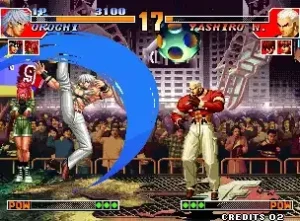
Play The King of Fighters ’97 Plus (bootleg) [Bootleg] online! It is one of the top-rated Arcade games you can play for free. No download, emulator, or setup required—jump straight into the action directly in your browser and start playing this classic in seconds.
In the vibrant, competitive world of 2D fighting games, few series command as much respect and nostalgia as SNK’s The King of Fighters. While official releases are celebrated, a fascinating subculture emerged around unofficial modifications, with **The King of Fighters ’97 Plus (bootleg)** standing out as a prime example. This illicit yet beloved version took the already iconic KOF ’97 and injected it with a chaotic blend of new features, altered mechanics, and often, unpredictable difficulty. For many arcade enthusiasts of the late 90s, discovering this enhanced, albeit unauthorized, edition was a memorable experience, offering a fresh, wild take on a familiar classic and cementing its place in retro gaming lore.
Unofficial Innovation: Gameplay and Mechanics
Distinguishing Features and Difficulty
What set versions like KOF ’97 Plus apart from its official counterpart were the often-radical gameplay alterations. Players could frequently select boss characters like Orochi Iori or Orochi Leona directly, who were typically unplayable or unlockable through complex means. Character movesets might be tweaked, sometimes granting new special attacks or super moves, while other changes led to broken hitboxes or infinite combos. The difficulty curve was notoriously erratic, swinging from surprisingly easy to brutally unfair, adding an element of unpredictability that both frustrated and thrilled players.
The Allure of the Unexpected
Despite their technical imperfections and unofficial status, these modified versions held a unique appeal. For many, the chance to experiment with overpowered characters or discover new, albeit unintended, strategies was irresistible. The novelty of a “what if” scenario – playing a version of KOF ’97 where the rules were bent or broken – fostered a sense of community among those who encountered it. This King of Fighters bootleg offered a different kind of challenge and excitement, a testament to the creativity, however unauthorized, of its creators and the open-mindedness of its players.
A Glimpse into Arcade History: Context and Impact
The Bootleg Phenomenon
The proliferation of bootleg arcade boards like the KOF ’97 bootleg was a significant aspect of the late 90s and early 2000s arcade scene, particularly in regions where official distribution was less robust or where economic factors made cheaper, modified boards more accessible. These boards allowed arcade operators to offer popular games at a lower cost, and often with perceived “enhancements” that drew in curious players. While legally dubious, they filled a niche, providing a unique gaming experience that became a part of many gamers’ formative years, shaping their perception of beloved titles.
Enduring Legacy and Nostalgia
Even today, discussions among retro gaming enthusiasts often turn to these unofficial versions. They represent a specific, somewhat wild, era of arcade culture where the boundaries of official releases were blurred. The shared memories of encountering a modified KOF ’97 in a local arcade, experimenting with its bizarre changes, and debating its merits, contribute to its lasting legacy. It’s remembered not just as a game, but as a cultural artifact.
- Unpredictable gameplay variations and character rosters.
- Ability to play as powerful boss characters from the start.
- Unique, often chaotic, arcade experiences and local legends.
Ultimately, **The King of Fighters ’97 Plus (bootleg)** embodies a fascinating, albeit unauthorized, chapter in fighting game history. It stands as a testament to the enduring appeal of KOF ’97, showcasing how an unofficial remix could capture the imagination of a generation of players. While never sanctioned by SNK, its blend of familiar mechanics with chaotic new features carved out a distinct place in the hearts of those who encountered it. This bootleg version remains a nostalgic touchstone, reminding us of a time when the arcade experience was often about discovery, surprise, and the thrill of the unexpected.
![The King of Fighters 2002 Magic Plus II (bootleg) [Bootleg]](https://www.retrogames.me/wp-content/uploads/the-king-of-fighters-2002-magic-plus-ii-bootleg-bootleg-150x150.webp)