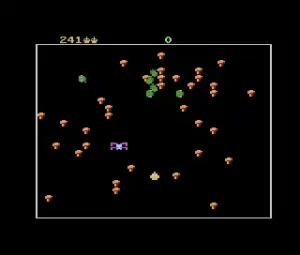
Play Centipede (Europe) online! It is one of the top-rated ATARI 7800 games you can play for free. No download, emulator, or setup required—jump straight into the action directly in your browser and start playing this classic in seconds.
Core Gameplay Mechanics and Difficulty
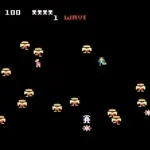
Released in the early 1980s, Centipede became a defining title in the arcade gaming scene due to its innovative gameplay. Players take on the role of a bug-blasting protagonist, armed with a simple, yet effective, trackball control. The objective is straightforward: eliminate a descending centipede before it reaches the bottom of the screen. This simplicity is coupled with strategic depth, as players must navigate a constantly shifting battlefield filled with mushrooms and other pests, including spiders and scorpions.
The challenge lies in the game’s escalating difficulty. As the player eliminates segments of the centipede, it speeds up and becomes more erratic. The introduction of obstacles like mushrooms further complicates the action, demanding quick reflexes and strategic timing. This blend of fast-paced action and tactical decision-making was revolutionary, setting a standard for many future arcade games.
Historical Release Background
Initially launched by Atari in 1981, Centipede quickly gained popularity and became a staple of the arcade culture. Designed by Ed Logg, the game was not only innovative in gameplay but also notable for its inclusion of a female protagonist, which was rare in that era. This aspect resonated with a broader audience, allowing the game to reach beyond traditional male gamers.
Over the years, Centipede has been ported to various home systems, ensuring its place in gaming history. Its vivid graphics and engaging gameplay initiated many players into the world of arcade games. The game’s unique combination of shooting and strategy garnered a dedicated fanbase and paved the way for sequels and remakes that continue to captivate players today.
Cultural Impact and Long-Term Legacy
Centipede left an indelible mark on gaming culture. It is often mentioned among the greatest arcade games of all time and continues to influence modern game design. The game’s blend of accessibility and challenge contributed to its staying power, making it a shared experience for generations. Today, it serves as a nostalgic reminder of the golden age of arcade gaming, celebrated in retrospectives and game compilations.
Through its innovative gameplay, rich history, and cultural significance, Centipede remains a beloved classic. Its legacy lives on, reminding modern players of the simple joys and challenges of early gaming.