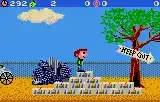
Play Scrapyard Dog (USA, Europe) online! It is one of the top-rated ATARI Lynx games you can play for free. No download, emulator, or setup required—jump straight into the action directly in your browser and start playing this classic in seconds.
Core Gameplay Mechanics and Difficulty
Scrapyard Dog emerged in the late 1980s, offering a fresh take on platforming gameplay that captivated gamers around the world. Players embody the role of a lovable canine tasked with rescuing its kidnapped owner. The core mechanics involve navigating treacherous terrains littered with enemies and obstacles, leveraging jumping and collecting items to progress through various levels. The difficulty ramps up gradually, demanding not only agile reflexes but also strategic thinking as players must learn enemy patterns and level layouts. This intricate balance of challenge and player satisfaction became a hallmark of the game’s design, contributing to its enduring popularity.
Historical Context and Design Innovations
Released initially for the NES, Scrapyard Dog was later introduced to European markets, marking a significant moment in gaming history. The game’s design innovations included vibrant graphics and a quirky, yet relatable storyline that appealed to both children and adults. It was a time when the gaming industry was evolving, pushing boundaries with more complex narratives and engaging gameplay experiences. Notably, its soundtrack complemented the whimsical art style, creating a memorable atmosphere that resonated with players. The mixture of solid gameplay mechanics and creative design established a strong foundation for future platformers.
Cultural Impact and Legacy
The legacy of Scrapyard Dog extends beyond its initial release, with many retro gaming enthusiasts still reminiscing about their experiences. The game created a nostalgic connection for those who played it during their formative years, sparking conversations in gaming communities about its quirky charm and engaging gameplay. Over the years, it has influenced various indie developers who draw inspiration from its unique premise and character design.
- Inventive storytelling through gameplay
- Challenging platforming mechanics
- Endearing characters that have become iconic
In conclusion, Scrapyard Dog stands as a testament to the creative potential of its era, pairing easy-to-learn mechanics with a heartwarming narrative. Its blend of innovation and nostalgia continues to resonate, securing its place in the hearts of gamers and shaping the landscape for future titles. As we look back, one thing is clear: this game remains a cherished chapter in the story of retro gaming.