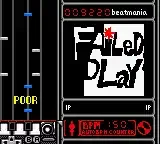
Play Beatmania GB (Japan) online! It is one of the top-rated Game Boy Color games you can play for free. No download, emulator, or setup required—jump straight into the action directly in your browser and start playing this classic in seconds.
Introduction to Beatmania GB
The realm of rhythm games saw a unique entry with **Beatmania GB**, a handheld adaptation that introduced many to the addictive beat-matching mechanics that would define a genre. Released in the late 1990s in Japan, this title combined strategy, timing, and a catchy soundtrack to create an engaging experience. As one of the first portable rhythm games, its revolutionary gameplay mechanics and captivating design left a lasting mark on gamers and laid the foundation for future titles in the genre.
Gameplay Mechanics and Difficulty
At its core, **Beatmania GB** revolves around players hitting buttons in time with on-screen prompts, a formula that would become a standard in rhythm gaming. The game featured an array of music across different genres, challenging players to replicate complex sequences. Difficulty levels varied, allowing both novice and experienced players to engage with the title. Aspiring masters could practice songs repeatedly, attempting to achieve higher scores and unlock additional content. The intricate gameplay mechanics and difficulty scaling made it not only fun but also a test of player skill, capturing the hearts of rhythm game enthusiasts.
Innovative Technical Design
From a technical perspective, **Beatmania GB** was groundbreaking for its time, leveraging the capabilities of the Game Boy Color to provide vibrant visuals and diverse soundtracks. The control scheme, which mimicked the arcade cabinets, was carefully adapted to fit the portable format. This innovation allowed players to experience an arcade-like rhythm game experience on the go, a significant leap from traditional gaming offerings at the time.
Cultural Impact and Legacy
Even years after its release, **Beatmania GB** continues to resonate within gaming culture. It is celebrated for making rhythm games more accessible and popularizing them beyond arcade settings. The game’s influence can be seen in various modern rhythm titles that often draw inspiration from its mechanics and style. Additionally, it sparked a resurgence in portable gaming, highlighting the potential for rhythm-based mechanics in handheld formats. This title remains a nostalgic emblem for those who experienced the vibrant Japan of the late ’90s and represents the blossoming of rhythm gaming.
Conclusion
In summary, **Beatmania GB** holds a cherished place in the annals of gaming history. Its innovative gameplay, combined with a rich cultural legacy, has ensured its status as a beloved classic. Whether you’re revisiting the title or discovering it for the first time, the game offers an engaging glimpse into the evolution of rhythm games and the enduring appeal of music-interactive gameplay.