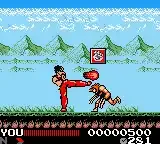
Play Hiryuu no Ken – Retsuden GB (Japan) online! It is one of the top-rated Game Boy Color games you can play for free. No download, emulator, or setup required—jump straight into the action directly in your browser and start playing this classic in seconds.
Revisiting Hiryuu no Ken
The Hiryuu no Ken series, particularly its Game Boy iteration, is often hailed for its unique blend of captivating storytelling and engaging gameplay that resonated with gamers in the 90s. Released in 1992, this title is a refined experience that combines martial arts action with RPG elements, allowing players not just to fight, but to immerse themselves in a dramatic narrative. Reflecting Japan’s rich storytelling tradition, it presented characters and plotlines that were as influential as its gameplay mechanics.
Gameplay Mechanics and Difficulty
At its core, Hiryuu no Ken introduces players to a martial arts world where strategy and timing are essential. The game offers an engaging mix of fighting and RPG elements, encouraging players to learn new moves and techniques as they battle various opponents. The character progression system presents a rewarding challenge, invoking a sense of achievement as players master their skills. Combat mechanics not only focus on button-mashing but also require tactical decision-making, making players think critically about their approach during intense encounters. This combination of depth and accessibility made it appealing to both casual gamers and those seeking a more intricate experience.
Design Innovations and Cultural Impact
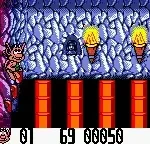
In terms of design, Hiryuu no Ken stood out with its vibrant pixel art and intuitive controls, which optimized the gameplay experience on the handheld Game Boy. It played a crucial role in pushing the boundaries of what was possible on portable platforms, influencing future titles in the genre. Its cultural significance is evident in Japan, where it became a touchstone for martial arts narratives in video games, paving the way for subsequent franchises that adopted similar storytelling approaches.
Legacy and Ongoing Influence
The legacy of Hiryuu no Ken lives on today, with many fans reminiscing about their adventures in this martial arts world. It is often discussed in nostalgic circles and reviewed favorably in retrospectives of retro gaming. The game has inspired sequels and adaptations, and its influence can still be seen in modern titles that strive for the same mix of strategy and narrative depth. As gaming continues to evolve, Hiryuu no Ken remains a cherished gem, celebrated not just for its entertainment value but also for its contributions to the gaming landscape.
In conclusion, the enduring appeal of Hiryuu no Ken is rooted in its innovative gameplay mechanics, compelling storytelling, and striking design. As gamers continue to look back on retro classics, this title serves as a reminder of the creativity and passion that defined an era in gaming history.