Play Little Mermaid II, The – Pinball Frenzy (Europe) (En,Fr,De,Es,It) online! It is one of the top-rated Game Boy Color games you can play for free. No download, emulator, or setup required—jump straight into the action directly in your browser and start playing this classic in seconds.
Gameplay Mechanics and Difficulty
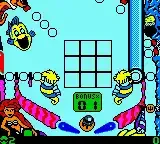
In the realm of pinball games, Little Mermaid II stands out for its engaging mechanics and vibrant design. Players are invited to explore an underwater world filled with whimsical characters and dynamic pinball elements. The game encourages skillful play with various ramps, targets, and multiball modes, providing layers of complexity that appeal to both novices and seasoned players. The flipper controls are responsive, allowing for fast-paced action and strategic shots, capturing the essence of traditional pinball while incorporating unique thematic features.
The challenge level in Little Mermaid II is particularly interesting. Unlike many of its contemporaries, it doesn’t rely solely on randomness; understanding the game’s layout and mastering specific techniques can significantly enhance your scoring potential. The balance between luck and skill makes for an exhilarating experience, ensuring that players are constantly engaged, and it remains a favorite for competitive play among pinball enthusiasts.
Release Background and Cultural Impact
Released in 2000, Little Mermaid II was part of a broader trend of branded pinball machines that capitalized on the popularity of animated films. Building upon the beloved Disney franchise, this title drew significant attention from families and fans of the original movie. Its vibrant art and catchy sound effects created an immersive environment that resonated particularly well with younger audiences, while also appealing to collectors and pinball aficionados alike.
The game carved a niche in arcade culture during a time when digital gaming was rapidly taking over. It successfully kept the pinball spirit alive, reminding players of simpler times in gaming history. Decades later, it continues to be referenced in discussions about innovative gameplay and nostalgic experiences, demonstrating its lasting influence in the gaming community.
Design Innovations
What sets Little Mermaid II apart are its bright visuals and intuitive design. The incorporation of themed features, such as character animations and storytelling through gameplay, creates a cohesive experience that is both fun and visually appealing. It also offered players unique challenges, including themed bonuses and hidden objectives, enriching the gameplay and inviting exploration. These design elements prove that a strong artistic vision can elevate pinball gaming from simply a pastime to a memorable experience.
Conclusion
Remembered fondly by those who experienced it, Little Mermaid II remains a hallmark of pinball gaming that combines nostalgia with innovative mechanics. Whether you’re drawn to its rich visuals or intricate gameplay strategies, it offers something for everyone. Its continued presence in discussions around retro gaming underlines its significance, proving that great design and engaging gameplay can create a lasting legacy in the world of arcade games.