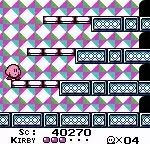
Play Super Mario World 7 (Unlicensed) online! It is one of the top-rated Game Boy games you can play for free. No download, emulator, or setup required—jump straight into the action directly in your browser and start playing this classic in seconds.
Introduction
Super Mario World remains a touchstone in the realm of retro gaming, especially when considering its unlicensed adaptations like Super Mario World 7. This variation, while not officially sanctioned, exemplifies the passion and creativity of the gaming community during the 1990s. As players encountered new challenges and unexpected twists, they were reminded of the potent nostalgia that Mario games have inspired over the decades.
Gameplay Mechanics and Difficulty
Despite being an unlicensed title, Super Mario World 7 inherits crucial gameplay elements from its predecessors. Players navigate through vibrant worlds, face classic enemies, and utilize power-ups, much like the original. However, this iteration brings its own challenges with unique level designs and platforming sections that test even the most seasoned gamers. Instead of following the well-trodden paths, gamers must adapt to unexpected mechanics and puzzles that can lead to frustration or sheer joy. The difficulty curve is captivating, requiring players to master timing and precision in ways that keep them engaged and eager for the next stage.
Historical Background and Cultural Impact
Released in the early 1990s during the height of the 16-bit era, Super Mario World 7 emerged at a time when unlicensed games were a common phenomenon. This period fostered creativity and innovation among developers who often took liberties with beloved franchises. Although overshadowed by official releases, **Super Mario World 7** cultivated a dedicated following. Gamers shared tips and tricks, creating a sense of community around the title. Over the years, it has been recognized not just for its gameplay but also for its role in expanding the cultural narrative around gaming. Many players look back fondly on these titles, evoking a sense of nostalgia and appreciation for the era.
Innovations in Design
One of the standout features of Super Mario World 7 lies in its level design, which introduces imaginative landscapes and unexpected challenges. Players encounter bizarre enemies and inventive power-ups, pushing the envelope of traditional platforming. The music, while reminiscent of the original games, adds a unique flair that enhances the immersive experience, creating a rich auditory backdrop that complements the gameplay.
Conclusion
Super Mario World 7 may not hold the official stamp of approval from Nintendo, but its legacy is undeniably entrenched in gaming history. With its distinctive gameplay mechanics, challenging levels, and innovative design, players continue to reminisce about their adventures through its colorful worlds. This unlicensed title serves as a testament to the creative spirit of the gaming community and reminds us why retro games hold such a cherished place in our hearts.