Play Super Super Mario Land online! It is one of the top-rated Game Boy games you can play for free. No download, emulator, or setup required—jump straight into the action directly in your browser and start playing this classic in seconds.
Rediscovering Core Gameplay Mechanics
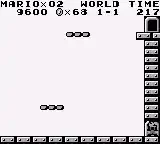
Super Mario Land revolutionized the platforming genre when it debuted on the Game Boy in 1989. Unlike its predecessor, the original Super Mario Bros., this portable gem introduced unique mechanics tailored for the handheld experience. Players navigated through delightfully inventive levels, overcoming obstacles, collecting power-ups, and battling whimsical enemies. The introduction of varying landscapes—from sandy deserts to underwater realms—added diversity, captivating players with each new world. Notably, the game featured unique power-ups like the Super Ball, allowing Mario to attack enemies from a distance, enhancing the strategic gameplay.
A Historical Milestone in Gaming
Launched just two years after the Game Boy’s release, Super Mario Land was a crucial step for Nintendo’s handheld success. It was the first Mario game designed for a portable console, paving the way for future iterations. The game’s development, led by Gumpei Yokoi, aimed to maximize the limitations of the Game Boy, effectively utilizing its monochrome graphics to create imaginative worlds. Not only did it set a benchmark for the platforming genre on handheld systems, but it also introduced gamers to a narrative that linked classic platforming with engaging storylines. Its success solidified Mario as not just a console character, but a true gaming icon.
Cultural Impact and Lasting Legacy
Throughout the years, Super Mario Land has maintained a lasting impression on popular culture. Its catchy soundtrack, memorable characters, and innovative gameplay influenced countless titles. The game’s legacy is evident, inspiring sequels and remakes, while Mario himself became an indelible symbol of gaming. Today’s gamers often reminisce about their initial experiences with this title, a testament to its charm and challenge, ensuring that its influence will persist for generations to come.
Conclusion
In retrospect, Super Mario Land stands as a pioneering title, blending captivating gameplay with innovative design that set the standard for future games. Its rich history and cultural significance resonate with nostalgic players, while also attracting new fans eager to discover its charm. As we celebrate its legacy, it’s clear why this classic remains a beloved cornerstone of gaming history.