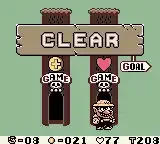
Play Wario Land – Super Mario Land 3 Color Edition online! It is one of the top-rated Game Boy games you can play for free. No download, emulator, or setup required—jump straight into the action directly in your browser and start playing this classic in seconds.
Core Gameplay Mechanics and Difficulty
Wario Land introduced a unique twist to the traditional platforming genre, distinguishing itself from its predecessors in the Super Mario series. The gameplay revolves around the titular character, Wario, who is not just a plumber but a treasure-hunting rogue with a variety of abilities. Players navigate through intricately designed levels filled with challenges, collectibles, and enemies. Unlike typical platformers, where jumping on foes is the primary method of attack, Wario utilizes his strength to tackle adversaries and manipulate the environment. The game features power-ups that enhance Wario’s abilities, making for an engaging and dynamic play experience. The difficulty curve is balanced; while early levels offer a gentle introduction, later stages provide formidable challenges, demanding strategic thinking and quick reflexes.
Historical Release Background
Released for the Game Boy in 1994, Wario Land marked a new era in Nintendo’s gaming lineup. As a spinoff from the Super Mario series, this game was designed to showcase a different perspective, one that embraced not just exploration but also villainy. What made it revolutionary was its detailed graphics compared to other titles of the time, boasting vibrant colors and slick animations. This was particularly significant as gaming technology advanced, allowing for more immersive experiences. The jump from grayscale graphics of previous Game Boy titles to the rich colors in Wario Land set a new standard for handheld gaming. This innovative approach not only enhanced gameplay but also fell in line with Nintendo’s strategy of creating compelling narratives around its characters.
Technical and Design Innovations
One of the standout features of Wario Land is its level design, which cleverly incorporates multiple pathways and hidden areas, encouraging players to explore thoroughly. The art style, characterized by quirky visuals and fluid animations, brought Wario’s world to life in a way that resonated with fans. Additionally, the game wisely utilized the Game Boy’s limited hardware by implementing clever sprite work to capture expression and movement. Players found themselves immersed in the richness of Wario’s abilities, including his ability to charge through obstacles and transform, showcasing technical creativity within the confines of the handheld device.
Cultural Impact and Long-Term Legacy
Decades after its release, Wario Land remains a beloved title among retro gaming enthusiasts. Its blend of quirky humor, innovative mechanics, and engaging gameplay continues to influence modern platformers. Wario’s character has evolved into a franchise of its own, leading to sequels and spin-offs, but it is the original game that laid the groundwork for his popularity. The game’s unique approach to platforming and character development introduced a refreshing alternative to the traditional hero narrative, leaving a lasting impact on gaming culture. Today, it is celebrated not just for nostalgia’s sake but as a cornerstone of innovation in game design.
In conclusion, Wario Land carved a niche in the gaming landscape that resonated with players both during its time and into the present day. With its innovative gameplay, vibrant visuals, and memorable character, it stands as a testament to Nintendo’s creativity. The legacy of this title is felt even now, influencing new generations of gamers, proving that even on a handheld device, rich, engaging experiences can thrive.