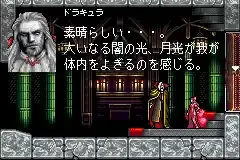
Play Akumajou Dracula – Circle of the Moon (J)(Capital) online! It is one of the top-rated Game Boy Advance games you can play for free. No download, emulator, or setup required—jump straight into the action directly in your browser and start playing this classic in seconds.
Core Gameplay Mechanics and Difficulty
In a landscape dominated by 16-bit nostalgia, Circle of the Moon stands out for its challenging gameplay and strategic depth. Players assume the role of Nathan Graves, navigating the treacherous halls of Dracula’s castle. The game expertly merges action with RPG elements, offering character upgrades and an array of sub-weapons that enhance combat. One key innovation is the “DSS” (Dual Set-up System), allowing players to combine cards to create powerful item effects, adding layers of strategy to encounters. Its difficulty curve is sharply inclined, requiring precision and timing, a design choice that has either captivated players or turned them away. This relentless difficulty evokes the classic vibes of earlier titles while ensuring a fresh challenge for seasoned players.
Historical Context and Design Innovations
Released in 2001 for the Game Boy Advance, Circle of the Moon was one of the earliest titles in the celebrated Castlevania franchise on a handheld platform. This marked a significant shift in capabilities, pushing the limits of portable gaming graphics and sound design. The atmospheric audio, coupled with intricate pixel art, created an immersive experience, reflecting the standard of home console games. Additionally, this title was crucial as it introduced many players to the *Metroidvania* style—a non-linear gameplay structure that encourages exploration and backtracking. By integrating RPG mechanics that enhanced character progression, it set a benchmark for future entries in the series and influenced numerous games across genres.
Cultural Impact and Legacy
Over two decades since its release, Circle of the Moon remains a fundamental piece of gaming nostalgia. Fans celebrate its compelling blend of action and exploration, ensuring its presence in retro gaming discussions. The game’s challenges have inspired speedrunners and casual players alike, fostering a vibrant community around it. As the first Castlevania title on the GBA, it paved the way for sequels that continued to expand the formula, solidifying its legacy as a critical stepping stone in the series. Its impact can be seen in modern titles that strive to replicate its perfected blend of tension and strategy.
In conclusion, the lasting appeal of Circle of the Moon is rooted in its innovative mechanics, challenging gameplay, and rich production values. As a pioneer of handheld gaming, it ushered in a new era and continues to resonate with both nostalgic players and newcomers. The game’s fusion of strategy and narrative offers an experience worth revisiting, securing its place in the annals of gaming history.