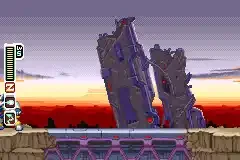
Play MegaMan Zero 2 (E)(Patience) online! It is one of the top-rated Game Boy Advance games you can play for free. No download, emulator, or setup required—jump straight into the action directly in your browser and start playing this classic in seconds.
Core Gameplay Mechanics and Difficulty
MegaMan Zero 2 continues the legacy of its predecessor by delivering a compelling action-platformer experience packed with challenge and flair. Players step into the boots of Zero, a formidable Reploid on a quest to battle various foes in a richly constructed environment. The game shines through its tight controls, allowing players to execute a series of attacks, jumps, and dashes with precision. This installment also introduces new mechanics, such as weapon upgrades and a versatile cyber elf system that can enhance Zero’s abilities, contributing to the game’s depth.
One of the most notable aspects is the difficulty level. Players must master the mechanics while facing an array of enemies and formidable bosses that require strategy and skill. The game rewards patience and practice, pushing players to learn from their mistakes—a hallmark of challenging retro titles. As enemies become increasingly diverse, gamers find themselves continually adapting their strategies, which keeps the gameplay fresh and engaging.
Historical Release Background and Innovations
MegaMan Zero 2 was originally released for the Game Boy Advance in 2002, following the successful launch of the first game in the series. Its arrival marked a significant moment in the Mega Man franchise, as it showcased the transition from 2D sprites to more sophisticated graphical effects. Players appreciated the blend of nostalgia and modernity, which allowed for a seamless gameplay experience.
This game was crucial for enhancing the narrative depth within the Mega Man universe, introducing darker themes and character development that hadn’t been explored in previous titles. For its time, the graphics were considered cutting-edge, featuring vibrant colors and detailed backgrounds that contributed to a rich gaming atmosphere. These innovations went on to set a standard for future platformers, influencing many subsequent games in the genre.
Cultural Impact and Legacy
The legacy of MegaMan Zero 2 transcends its technical achievements. The game is often celebrated for its compelling storytelling, memorable characters, and engaging gameplay. It has developed a cult following, keeping the spirit of the game alive through fan art, speedrunning, and community forums. Today’s players still reminisce about their experiences, sharing the excitement of discovering hidden secrets and mastering difficult levels.
In conclusion, MegaMan Zero 2 remains a pillar in the realm of retro gaming, known for its challenging mechanics, captivating story, and innovative design. Players continue to celebrate it not just as a game but as a significant part of video game history, proving that great experiences can withstand the test of time. Whether you’re revisiting it or discovering it for the first time, this game offers a nostalgic trip filled with action and adventure that few titles can rival.