Play Polarium Advance (E)(sUppLeX) online! It is one of the top-rated Game Boy Advance games you can play for free. No download, emulator, or setup required—jump straight into the action directly in your browser and start playing this classic in seconds.
Introduction to Polarium
The innovative puzzle game Polarium emerged as a standout title on the Game Boy Advance, captivating players with its unique gameplay mechanics. Launched in 2005, it dared to blend simplicity with an engaging challenge, paving the way for many similar titles. The game’s core concept revolves around polarizing tiles, demanding players to think critically and strategically while under time constraints, a combination that has effectively left a lasting impression on the world of retro gaming.
Gameplay Mechanics and Challenges
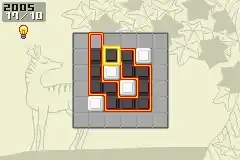
At its heart, Polarium is a tile-matching puzzle game where players manipulate a grid of black and white tiles. The objective is straightforward: flip adjacent tiles to unify them into a single color. However, the true challenge lies in the increasing complexity of puzzles that require foresight and cunning to solve within a limited number of moves. The gameplay is both addictive and rewarding, catering to casual gamers and seasoned puzzle enthusiasts alike. This balance has garnered a loyal fanbase, who appreciate the game for its intuitive design and escalating difficulty.
The Game’s Historical Significance
Polarium was developed by Mitomo and published by Nintendo, emerging during a time when the Game Boy Advance was dominating the handheld gaming market. Its release was significant, as it showcased the potential of simple mechanics to create a deeply engaging experience. The game featured a unique monochromatic aesthetic that, while minimalistic, emphasized its core gameplay without distractions. This design choice has influenced numerous subsequent puzzle games, solidifying Polarium‘s legacy in the gaming industry. Its innovative approach not only helped solidify Nintendo’s reputation for quality games but also inspired developers to explore non-traditional gameplay dynamics.
The Cultural Impact and Legacy
Whether through nostalgic recollection or newfound interest, Polarium continues to resonate with a diverse audience. The game’s quick rounds make it ideal for short bursts of play, an attribute that has maintained its relevance in today’s fast-paced gaming environment. Many players still regard it as a quintessential example of handheld puzzle titles, demonstrating how engaging and rewarding gameplay can endure well beyond its initial release.
Conclusion
In summary, Polarium stands as a testament to innovative game design, balancing simplicity with challenge, while making a lasting impact on the puzzle genre. Its unique gameplay and striking aesthetics have granted it a timeless quality, making it memorable for both old-school fans and new players. As we celebrate the legacy of retro games, Polarium undoubtedly deserves recognition for its pivotal role in shaping the puzzle gaming landscape.