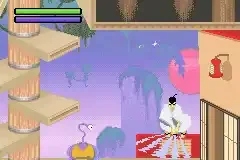
Play Samurai Jack – The Amulet of Time (U)(Mode7) online! It is one of the top-rated Game Boy Advance games you can play for free. No download, emulator, or setup required—jump straight into the action directly in your browser and start playing this classic in seconds.
Introduction
The **Samurai Jack** game stands out as a nostalgic gem for fans of retro gaming, melding action and adventure with compelling storytelling. Released during a time when animated series adaptations were finding their footing in the gaming industry, this title brought the beloved characters and visuals of the Emmy-winning show to life. It masterfully combined the artistic styles of animation with engaging gameplay mechanics, keeping players enchanted while navigating a richly crafted world.
Gameplay Mechanics and Difficulty
At its core, Samurai Jack emphasizes fluid gameplay that allows players to wield a variety of weapons and combat techniques. The game encourages exploration as players navigate through diverse levels, each presenting unique challenges and enemies influenced by various mythologies. One standout feature is the time-bending mechanics that manipulate gameplay dynamics, allowing players to unlock special abilities and overcome obstacles in innovative ways. While the difficulty curve can be steep, with nuanced boss battles and strategic encounters, the game rewards perseverance with a deep sense of accomplishment.
Historical Background
Launched in the mid-2000s, this title was one of several games that aimed to bridge the gap between animation and interactive experiences. Within a few years of Samurai Jack’s initial TV release, developers began leveraging the show’s rich narrative universe, and this game emerged as a testament to the series’ popularity. The design choices reflected a commitment to authenticity, with hand-drawn animation styles that closely mirrored the show, capturing the essence of its unforgettable characters and settings.
Cultural Impact and Legacy
Samurai Jack’s lasting legacy extends beyond its gameplay and into the hearts of its players. The game has become a nostalgic touchstone for a generation that grew up watching the series, igniting conversations about its emotional storytelling and character development. Today, the game is often revisited in gaming communities, celebrated for its innovative design and artistic merit. As new players discover it, its timeless appeal and rich connection to the Samurai Jack narrative ensure it remains a cherished title in retro gaming culture.
Conclusion
In the landscape of retro games, **Samurai Jack** occupies a special place owing to its unique blend of art and gameplay. The interest in this title reflects a broader appreciation for narrative-driven video games, reinforcing the importance of storytelling in interactive entertainment. As players continue to celebrate its innovative mechanics and vibrant visuals, Samurai Jack remains a testament to how animation and gaming can coalesce to create immersive experiences that resonate across generations.