Play Akumajyo Drakyula – Vampire Killer online! It is one of the top-rated MSX 2 games you can play for free. No download, emulator, or setup required—jump straight into the action directly in your browser and start playing this classic in seconds.
Gameplay Mechanics and Difficulty
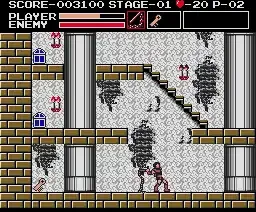
The core gameplay of Vampire Killer revolves around exploration and combat within a haunted castle, filled with various enemies, traps, and powerful bosses. Players control Simon Belmont, a nimble vampire hunter armed with a whip and an array of sub-weapons like holy water and daggers. The game is renowned for its rich platforming mechanics, demanding not only skill but also strategic thinking as players navigate through its complex levels. Each stage requires meticulous attention to enemy patterns and environmental hazards, offering a high challenge level that engages players and encourages repeated playthroughs to master its mechanics.
- Exploration through diverse environments
- Combat with various weapons and power-ups
- Challenging boss battles
- Memorable enemy designs and attack patterns
Historical Release Background and Innovations
Released in 1986 for the Famicom Disk System, Vampire Killer marked a significant step forward in video gaming, transforming the traditional platform genre. Not only was it one of the earliest examples of non-linear gameplay, but it also introduced atmospheric music and sound effects that heightened immersion. The game was groundbreaking in its use of a password system, allowing players to continue their journey from specific checkpoints rather than starting over. This innovation made it possible for players to tackle the game’s notorious difficulty without complete frustration, setting a precedent in video game design.
Cultural Impact and Long-term Legacy
The influence of Vampire Killer extends far beyond its release. It laid the groundwork for the beloved Castlevania franchise, establishing a rich lore and setting that have captivated gamers for decades. Its unique blend of action, exploration, and strategic combat paved the way for future titles in the gothic horror genre, as well as the Metroidvania style. Today, the game is remembered not only for its challenge but also for its contributions to gaming as a storytelling medium, resonating with both retro enthusiasts and new players alike.
In conclusion, the enduring legacy of Vampire Killer is a testament to its innovative gameplay and cultural significance. From introducing mechanics that define an entire genre to inspiring countless sequels and adaptations, this classic title remains a beloved entry in retro gaming history. Its challenging gameplay continues to intrigue players, proving that sometimes the old-school classics have the most to offer, even decades after their release.