
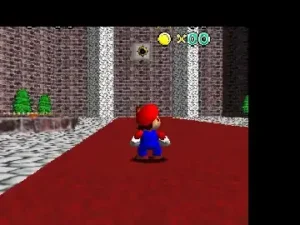
Play B3313 (v0.7) online! It is one of the top-rated Nintendo 64 games you can play for free. No download, emulator, or setup required—jump straight into the action directly in your browser and start playing this classic in seconds.
The unsettling journey into the unknown begins with B3313, a title that has carved a niche for itself within the modern retro-horror landscape. Eschewing flashy graphics for an oppressive atmosphere and psychological dread, this experience masterfully evokes the low-fidelity terror of early 3D console games, drawing players into a world of disquieting exploration and existential isolation that lingers long after the game is over.
The Enigmatic World of B3313
At its core, B3313 challenges players with a unique blend of exploration, subtle puzzle-solving, and pervasive psychological horror. The game’s minimalist approach to storytelling and environmental design creates a profound sense of disorientation, placing players in vast, empty spaces that feel both familiar and deeply wrong. The objective often remains elusive, pushing players to navigate a labyrinthine environment where the true horror isn’t jump scares, but the creeping realization of being utterly alone in a decaying, liminal world. The deliberate constraints of the B3313 gameplay—limited visibility, clunky controls, and an absence of clear direction—are not flaws, but integral components that amplify the feeling of vulnerability and helplessness, making every step a tense decision.
Legacy and Influence
Despite its niche appeal, the B3313 experience has left a significant mark on the indie horror community. It’s celebrated for its effective use of atmosphere over explicit gore, inspiring discussions around “liminal spaces” and the power of environmental storytelling in games. Its influence can be seen in other titles that aim to replicate the unsettling aesthetic of forgotten digital worlds, cementing its status as a cult classic that continues to resonate with those seeking a truly unique and unnerving gaming encounter.
Masterful Recreation of Retro Aesthetics
B3313’s true genius lies in its meticulous recreation of the PlayStation 1 era’s technical limitations, transforming them into powerful tools for horror. The low-polygon models, pixelated textures, and severe draw distance aren’t just nostalgic callbacks; they actively contribute to the game’s disorienting and claustrophobic feel. Sound design plays an equally crucial role, with ambient drones, subtle distortions, and the unnerving silence amplifying the sense of isolation. This deliberate design philosophy demonstrates a deep understanding of how to leverage perceived technical shortcomings to enhance psychological impact, proving that true horror often thrives in what is unseen and unheard. The game’s ability to evoke such profound unease with such simple ingredients is a testament to its innovative approach to retro-styled horror.
- Low-Polygon Visuals: Creates a distinct, unsettling aesthetic.
- Limited Draw Distance: Enhances claustrophobia and uncertainty.
- Minimalist Sound Design: Builds tension through ambient noise and silence.
- Environmental Storytelling: Conveys narrative through atmosphere and setting.
- Psychological Horror: Focuses on dread and disorientation over jump scares.
Ultimately, B3313 stands as a compelling example of how a game can transcend its humble origins to deliver a profound and memorable experience. It’s remembered not just for its retro aesthetic, but for its ability to tap into a primal fear of the unknown, the desolate, and the subtly terrifying. For players seeking a truly unique and deeply unsettling journey, B3313 remains an essential, haunting exploration into the fringes of digital horror.





skibidi, skibidi, hawk tuah hawk, skibidi hawk and rizzlers down ur gyatt
what you say?
me parece bien raro el juego entiendo que es una version a medias perolos sonidos lo unico que se salvo es que esta luigi}}
spooky scary skibidis and rizzlers down ur gyatt