Play Gradius (Japan) online! It is one of the top-rated NEC TURBOGRAFX-16 games you can play for free. No download, emulator, or setup required—jump straight into the action directly in your browser and start playing this classic in seconds.
Revolutionizing the Shooter Genre
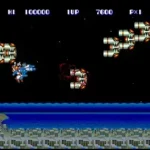
Gradius fundamentally altered the landscape of side-scrolling shooters when it was released by Konami in 1985. Its innovative gameplay mechanics introduced players to a new level of engagement, where they could customize their spaceship with various upgrades. One of the notable features was the “power-up” system, allowing players to collect capsules that enhanced their weaponry, speed, and shields. This approach to gameplay not only made it more challenging but also encouraged strategic thinking. Players had to weigh the benefits of specific upgrades against the increasingly complex enemy patterns.
Historical Significance and Legacy
Released initially in Japanese arcades, Gradius quickly gained popularity, leading to ports on various home consoles such as the NES and TurboGrafx-16. Its success can be attributed to its excellent graphics for the time, along with memorable boss battles and engaging level design. At the core of its impact was the game’s ability to create a sense of progression, evidenced by its challenging difficulty curve that kept players coming back for more. Over the years, it paved the way for countless sequels and spin-offs, as well as influencing many developers in the shoot ’em up genre.
Cultural Impact
The resonance of Gradius extends beyond arcade cabinets. It has achieved a place in pop culture, with numerous references in various media, including other video games and anime. Its iconic soundtrack and visual design remain celebrated, contributing to regular retrospectives and discussions in gaming circles. The game’s mechanics have inspired modern titles and established trends with its innovative approach to power-ups and upgrades.
- Introduced a strategic power-up system
- Known for memorable boss battles
- Influenced many subsequent shooters
The enduring legacy of Gradius continues to be felt today as the shooter genre evolves. It remains a benchmark for excellence in level design and gameplay mechanics, ensuring its place in the hearts of gamers. Whether experienced as a nostalgic throwback or explored anew, the game’s pioneering spirit is undeniable, reminding us why it holds a special place in gaming history.