Play Crush Roller (World) (En,Ja) online! It is one of the top-rated NEO-GEO Pocket games you can play for free. No download, emulator, or setup required—jump straight into the action directly in your browser and start playing this classic in seconds.
Exploring the Colorful World of Crush Roller
Crush Roller is a vibrant and unique arcade game that has left an indelible mark on the gaming landscape since its debut in the 1980s. Developed by the Japanese company Daitoku, this game blends classic maze navigation with a whimsical design, beautifully capturing the essence of retro gaming. Players take on the role of a painter tasked with coloring the walls of a maze while avoiding a variety of quirky enemies—an innovative take that distinguishes it from other games of its time.
Gameplay Mechanics and Challenges
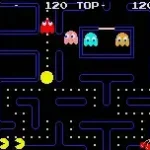
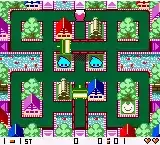
The core mechanics of Crush Roller hinge on clever maze navigation combined with the urgency of avoiding pursuit. Players steer a roller along a grid-like maze, aiming to paint as much of the surface area as possible while fending off obstinate enemies. The game’s challenge escalates with each level, adding layers of strategic depth as new adversaries and obstacles emerge. Unlike many other arcade games, where shooting or combat reigns supreme, this title emphasizes evasion, making it both engaging and technically intriguing.
Innovations and Technical Aspects
Once regarded as a pioneer in mazes and painting-themed gameplay, Crush Roller introduced several technical innovations that resonated with players. The game’s vibrant colors and captivating graphics were groundbreaking for its time, enhancing its appeal. Furthermore, it utilized a simple control scheme that was accessible for newcomers while still posing a challenge to seasoned players. The balance between simplicity and complexity is a hallmark of great game design, making this title an enduring example of arcade ingenuity.
Cultural Impact and Lasting Legacy
Crush Roller remains a fond memory for many veteran gamers and holds a nostalgic place in gaming history. Its playful art style and unique premise have influenced countless subsequent titles, establishing it as a classic within the genre. Today, it serves as a poignant reminder of an era when arcade games prioritized creativity and fun over hyper-realism. The game not only entertained players but also inspired a generation of designers to think outside the box when it comes to gameplay mechanics.
In conclusion, the legacy of Crush Roller is built on its innovative gameplay, vibrant design, and solid cultural impact. Its ability to engage players through a mix of strategy, evasion, and colorful aesthetics makes it a classic that continues to be celebrated by retro gaming enthusiasts. As we reflect on its charm, it’s clear that this title will forever remain in the hearts of those who crossed its vividly painted paths.