Play Godzilla – Monster of Monsters! (USA) online! It is one of the top-rated Nintendo Entertainment System games you can play for free. No download, emulator, or setup required—jump straight into the action directly in your browser and start playing this classic in seconds.
Exploring the Gameplay of Godzilla
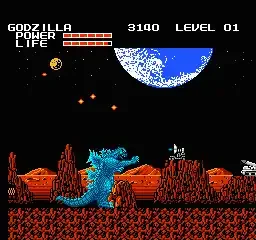
When delving into the world of classic gaming, few titles are as iconic as Godzilla. Released in 1988 for the NES, this game allowed players to step into the massive shoes of the King of Monsters. Unlike many other titles of the era, which focused on straightforward platforming or side-scrolling action, Godzilla brought a unique twist to the gaming landscape with its strategy-based mechanics. Players had to strategically navigate maps and battle various monsters through levels that encapsulated the chaos of city destruction.
The gameplay itself blended combat and tactical movement, presenting an intriguing challenge that kept players engaged. Players could choose different monsters besides Godzilla, each with unique strengths and weaknesses. Moreover, controlling Godzilla involved a fascinating mix of destruction and survival. As players wreaked havoc on cities and defeated enemies, they had to manage their health and monster energy levels, making each decision critical to success.
A Historical Perspective on Godzilla’s Release
The late ’80s marked a golden era for video games, and Godzilla’s debut was no exception. Initially developed by Toho Company and published by Sunsoft, it capitalized on the growing popularity of the Godzilla franchise. The game arrived at a time when 8-bit graphics were becoming increasingly standard, yet it managed to showcase notable design innovations. With its vibrant graphics and captivating musical score, the game delivered an immersive experience that resonated with fans of the franchise.
Beyond its gameplay, Godzilla served as a pivotal moment in blending pop culture with gaming. The game not only appealed to avid gamers but also drew in fans of the film series, promoting engagement in both realms. As players faced iconic monsters and scenarios from the films, the game cemented its role in bridging entertainment mediums. This crossover ultimately helped lay the groundwork for future adaptations of beloved franchises into gaming.
The Cultural Impact of Godzilla
Today, Godzilla remains a seminal title within retro gaming discussions. Its blend of strategy and action, matched with the iconic status of its protagonist, has created a lasting legacy. Fans still remember the exhilarating experience of battling classic foes from the film series. This nostalgia continues to fuel interest in retro gaming, as well as inspire new adaptations and re-releases. The strategic complexities and cultural homage embedded in Godzilla contribute to its ongoing relevance.
Conclusion
In retrospect, Godzilla stands as a testament to the innovative spirit of late ’80s gaming. With its unique mechanics and cultural significance, it has maintained a special place in the hearts of gamers and movie enthusiasts alike. As we look back, it’s clear that the impact of this classic title extends far beyond its pixelated graphics; it serves as a reminder of how video games can capture the magic of cinema while offering an engaging gameplay experience.