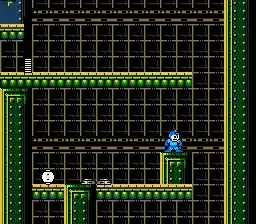
Play Megaman 1 – The New Lands Remastered online! It is one of the top-rated Nintendo Entertainment System games you can play for free. No download, emulator, or setup required—jump straight into the action directly in your browser and start playing this classic in seconds.
Core Gameplay Mechanics and Difficulty
In any discussion of the original Mega Man, it’s impossible to overlook its unique gameplay mechanics and the level of challenge it presented. Players take on the role of the iconic blue robot, navigating through intricate levels while battling formidable bosses. Each defeated boss not only offers the satisfaction of victory but also grants the player a new weapon—an ingenious design that encourages experimentation and strategic thinking. The game’s **difficulty** is often cited as one of its hallmarks. With limited continues and various traps, it demands precision and practice from players. Missing key jumps or failing to time attacks often results in frustrating setbacks, crafting a learning curve that has kept gamers returning for more.
Historical Release Background and Innovations
Released in 1987 for the NES, Mega Man marked a significant moment in gaming history. It established many mechanics that would become staples of the action-platformer genre. What set it apart at the time was its non-linear level selection, allowing players to tackle stages in any order. This was innovative compared to many contemporaries, which often followed a fixed path. Furthermore, its colorful graphics and catchy electronic soundtrack contributed to an engaging atmosphere, making it memorable. The game also introduced the concept of “robot masters,” each with a unique theme and skill set, which added layers to the gameplay through strategic boss fights and item acquisition.
Cultural Impact and Lasting Legacy
The impact of Mega Man on gaming culture is profound. Not only did it spawn numerous sequels and spin-offs, but it also influenced a generation of game designers and players. Its character design and memorable enemy roster have made appearances across various media, from animated series to comic books. The franchise’s iconic status is a testament to its innovative spirit and engaging gameplay, ensuring it remains a beloved classic today.
In conclusion, the straightforward yet challenging mechanics, coupled with groundbreaking design innovations, make the original Mega Man a cornerstone of retro gaming. Its legacy is palpable, influencing successive generations and ensuring that this classic continues to be celebrated. Through its memorable characters, innovative gameplay, and cultural significance, the game has secured a cherished place in the hearts of gamers, both old and new.