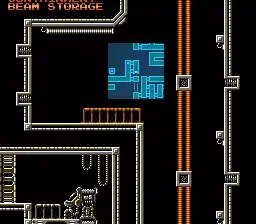
Play Metroid – Rogue Dawn online! It is one of the top-rated Nintendo Entertainment System games you can play for free. No download, emulator, or setup required—jump straight into the action directly in your browser and start playing this classic in seconds.
Gameplay Mechanics and Challenge
Metroid introduced players to a unique blend of exploration and action, creating a then-revolutionary gameplay experience. This game invited players to navigate through intricate environments, filled with hidden power-ups and challenging enemies. Central to the experience was Samus Aran, the iconic bounty hunter, who utilized a variety of weapons and abilities to uncover the mysteries of the alien world. Players had to think critically about movement and strategy, as the game’s non-linear approach demanded exploration and backtracking, making success feel hard-earned.
The game’s difficulty was notable for its time. Players often faced daunting challenges that required precise timing and combat skills, allowing the thrill of completing a section to become immensely gratifying. This combination of combat and exploration not only defined the franchise but also influenced many future titles, creating a legacy that emphasized engaging gameplay mechanics paired with atmospheric storytelling.
Historical Context and Innovations
Released in 1986 on the Nintendo Entertainment System, Metroid carved a niche for itself in the burgeoning world of video games. At a time when platformers dominated the scene, Metroid’s marriage of environmental storytelling and immersive gameplay was a breath of fresh air. The game emphasized exploration in a way that had seldom been seen, pushing players to uncover its secrets through a skillful blend of platforming and puzzle-solving.
Technically, the game was groundbreaking. It featured a large, interconnected world that players could traverse in a non-linear fashion, a significant departure from the level-based gameplay seen in most contemporary games. The innovative use of atmospheric music and haunting visuals contributed to creating a sense of isolation, further drawing players into Samus’s journey. This unique design approach not only captivated audiences in the ’80s but also paved the way for future exploration-driven titles, establishing a benchmark for narrative and gameplay integration.
Lasting Cultural Impact
Over the decades, Metroid has remained a staple within gaming culture. It inspired countless sequels and spin-offs, solidifying its place in the pantheon of influential video games. Its protagonist, particularly, has become an emblem of empowerment in gaming. Today, new generations of players continue to discover and appreciate the intricate world and stories that Metroid offers, ensuring its legacy remains vibrant and relevant.
In conclusion, the impact of Metroid extends far beyond its initial release. With innovative gameplay mechanics that challenged players and a rich historical context that shaped the industry, this title has firmly established itself as a cornerstone of retro gaming. As we celebrate its legacy, it’s clear that its contributions continue to influence the gaming landscape today.