Play Moon Crystal (Japan) [En by A.W.Jackson v1.0] online! It is one of the top-rated Nintendo Entertainment System games you can play for free. No download, emulator, or setup required—jump straight into the action directly in your browser and start playing this classic in seconds.
Gameplay Mechanics and Challenges
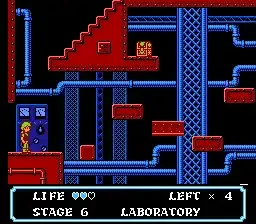
Released in 1990, Moon Crystal is a classic action-platformer that captures the essence of retro gaming. Players control a character named Eric, who embarks on a quest to rescue his kidnapped girlfriend, infused with elements of adventure and mystery. The game features beautifully rendered graphics and fluid animations, which were quite impressive for its time. Not only does it offer a charming aesthetic, but its core mechanics involve precise platforming and combat that harmonize to create an engaging experience.
The level design in Moon Crystal showcases a blend of intricately crafted stages filled with enemies, puzzles, and collectible treasures. Players must navigate their way through diverse environments, each presenting unique challenges. The gameplay is balanced such that while it may be accessible to newcomers, it offers enough difficulty to cater to seasoned players as well. Mastery of the controls and enemy patterns is crucial for progression, providing a satisfying learning curve that keeps players returning for more.
Historical Background and Innovations
Moon Crystal was initially released exclusively in Japan, making it a gem for fans of classic gaming. It was developed by the relatively obscure company Geibunsha, which, despite its limited portfolio, left a significant mark with this release. Its combination of impressive graphics and engaging gameplay mechanics was a testament to the burgeoning capabilities of the NES platform at the time. The game also introduced innovative mechanics such as unique items that players could collect, enhancing the traditional platforming formula.
This title’s orchestral soundtrack further set it apart from contemporaries, using digital sound channels to evoke deep emotional resonances. The rising popularity of such richly designed games influenced many future titles in the genre. Despite its initial regional limitations, Moon Crystal has managed to gain a cult following, largely due to fan translations and the growing retro gaming community that thrives on nostalgia.
Cultural Impact and Legacy
Over three decades since its release, Moon Crystal remains a beloved title in retro gaming circles. It is frequently cited in discussions about lost classics that deserve more recognition. The game not only encapsulates a moment in video game history but also serves as a representation of Japanese culture and its influence on global gaming. Its character designs, level creativity, and soundscape continue to inspire new generations of game developers and players alike.
In summary, Moon Crystal stands as a remarkable example of the innovation and creativity that characterized late 80s and early 90s video games. Its high-quality design and engaging gameplay ensure that it remains a nostalgically significant title, cherished by enthusiasts and a testament to the timeless allure of retro gaming.