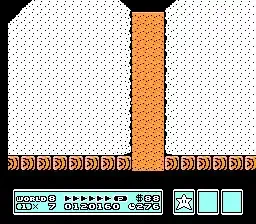
Play Super Mario Bros. 3+ Beta 1.0 online! It is one of the top-rated Nintendo Entertainment System games you can play for free. No download, emulator, or setup required—jump straight into the action directly in your browser and start playing this classic in seconds.
Unpacking the Gameplay Mechanics of Super Mario Bros. 3
The allure of Super Mario Bros. 3 can largely be attributed to its innovative gameplay mechanics, which revolutionized platforming in the gaming industry. Players experienced dynamic world exploration through its unique map system, introducing the concept of interconnected levels. Each world presents distinct themes, challenges, and power-ups, fostering creativity and adaptability. The introduction of items like the Super Leaf and Tanooki Suit not only diversified Mario’s abilities but also enhanced strategic gameplay, requiring players to think critically about their tools and approach.
The game brilliantly balanced difficulty, offering varying levels from casual to challenging. Early stages provide a gentle introduction for newcomers, gradually ramping up complexity with intricate level designs and clever enemy placements that test players’ skills. The iconic airship battles and Bowser encounters offer thrilling climaxes to each world, ensuring that players remain engaged throughout their journey.
Historical Significance and Lasting Legacy
Released in 1988 in Japan, Super Mario Bros. 3 marked a pivotal moment in gaming history, serving as a benchmark for future platformers. It was among the first titles to harness the full potential of the Nintendo Entertainment System (NES), showcasing impressive graphics and sound. With over 24 million copies sold worldwide, it became one of the best-selling games of all time, solidifying Mario’s status as a cultural icon.
The game transcended its initial release, fueling countless sequels and spinoffs. Its influence can be seen in modern titles that borrow mechanics, artistic styles, and narrative structures. Beyond gameplay, Super Mario Bros. 3 left a profound mark on popular culture, inspiring merchandise, cartoons, and music, further embedding Mario’s legacy in the collective consciousness.
Enduring Popularity in Modern Gaming
Today, fan communities continue to celebrate Super Mario Bros. 3, engaging in speedrunning, fan art, and retro gaming conventions. Its engaging levels, iconic soundtracks, and memorable characters inspire both new players and nostalgic veterans. The game exemplifies timeless design, ensuring that its legacy remains relevant even in an era of advanced gaming technology.
As we look back on its remarkable journey, it’s clear that Super Mario Bros. 3 is not just a game; it is a cultural phenomenon that continues to enchant audiences of all ages. Its blend of innovative gameplay, historical significance, and ongoing influence serves as a reminder of the magic that video games can create.