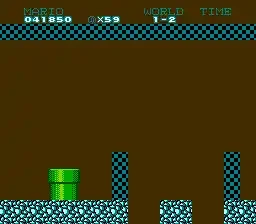
Play Super Mario Bros. NEW online! It is one of the top-rated Nintendo Entertainment System games you can play for free. No download, emulator, or setup required—jump straight into the action directly in your browser and start playing this classic in seconds.
Introduction
In the realm of video games, few titles evoke as much nostalgia as Super Mario Bros.. Released in 1985, this iconic platformer revolutionized the gaming landscape, transforming the way we interact with digital worlds. With its vibrant 2D graphics and engaging gameplay, the game introduced millions to the charm of the Mushroom Kingdom. Its impact remains evident today, drawing both longtime fans and a new generation of players eager to experience this timeless classic.
Core Gameplay Mechanics
The core gameplay of Super Mario Bros. features simple yet addictive mechanics that challenged players while remaining accessible. Players navigate through various levels filled with enemies, power-ups, and hidden secrets. Mario’s jumping ability, combined with the ability to collect coins and power-ups like the Super Mushroom and Fire Flower, adds depth to the platforming experience. Each stage presents unique obstacles, from Goombas to Bowser, culminating in thrilling boss battles that demand quick reflexes and strategic thinking.
Additionally, the game’s difficulty curve is masterfully designed, enticing players to keep retrying until they master each level. This challenging yet rewarding dynamic is a key reason why Super Mario Bros. continues to be a beloved title in the gaming community.
Historical Release Background
The release of Super Mario Bros. marked a pivotal moment in gaming history. Launching alongside the Nintendo Entertainment System (NES), it played a crucial role in reviving the video game market after the crash of 1983. The game’s success helped establish Nintendo as a dominant force in the industry and set the stage for countless sequels and spin-offs. It is estimated that over 40 million copies were sold, solidifying its status as one of the best-selling games of all time.
Cultural Impact and Long-term Legacy
The cultural impact of Super Mario Bros. extends far beyond its gameplay. It introduced players to a whimsical universe filled with memorable characters, catchy music, and innovative level design. Mario himself became a cultural icon, appearing in numerous media forms, from cartoons to merchandise. The game’s influence is also reflected in modern platformers, as developers continue to draw inspiration from its design principles and mechanics.
Even decades after its release, Super Mario Bros. remains a staple in gaming conversations, often serving as a benchmark for new games. Its timeless appeal ensures that both nostalgic gamers and newcomers alike can appreciate its charm and innovation.
Conclusion
In conclusion, Super Mario Bros. stands as a testament to the enduring power of video games in shaping culture and entertainment. With its simple yet engaging mechanics, celebrated history, and far-reaching impact, the game remains an essential part of gaming lore. As players continue to discover or rediscover this classic, its legacy lives on, bridging generations and inspiring creativity within the gaming community.