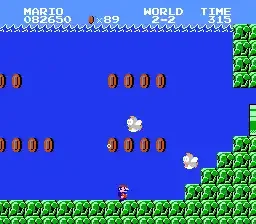
Play Super Mario Bros. Simplified online! It is one of the top-rated Nintendo Entertainment System games you can play for free. No download, emulator, or setup required—jump straight into the action directly in your browser and start playing this classic in seconds.
Core Gameplay Mechanics and Difficulty
Super Mario Bros. revolutionized the platforming genre with its engaging mechanics and increasing challenge. Players navigate through various worlds, each filled with unique enemies, power-ups, and hidden secrets. The simplicity of jumping on enemies and collecting coins quickly drew gamers in, while the introduction of power-ups, like the Super Mushroom and Fire Flower, added layers to the gameplay. These items not only enhanced Mario’s abilities but also made players strategize their use to tackle tougher challenges.
The difficulty curve is expertly crafted; early levels are beginner-friendly, encouraging new players to explore. As one progresses, the game ramps up in complexity, introducing more formidable foes and intricate level designs. Super Mario Bros. is often recognized for balancing accessibility with a satisfying level of challenge that keeps players coming back for more.
Historical Release and Innovations
Launched in 1985 for the Nintendo Entertainment System, Super Mario Bros. marked a pivotal moment in video game history. It not only revived the gaming industry, which had been struggling after the 1983 crash, but also set new benchmarks for game design. The game’s vibrant graphics and fluid animations were groundbreaking, showcasing the NES’s capabilities and tantalizing players with its colorful world.
Additionally, the modular level design broke from traditional linear gameplay. Players could explore in a non-linear fashion, with alternate paths and secret areas that encouraged experimentation. The introduction of the warp zones allowed for unique traversal tactics, fostering a culture of speedrunning that persists today. This pivotal release positioned Mario as a cultural icon, establishing a franchise that would endure for decades.
Cultural Impact and Legacy
The lasting legacy of Super Mario Bros. extends far beyond its initial release. It has influenced countless games across various genres and spawned numerous sequels, spin-offs, and merchandise. Mario became a symbol for Nintendo, embodying the joy and creativity that gaming can offer. Moreover, the game’s music and imagery have embedded themselves in pop culture, referenced in films, TV shows, and music.
Today, Super Mario Bros. is celebrated for its timeless gameplay and innovative design. It remains a fundamental reference point for game developers, reminding us of the power of simplicity paired with creativity. With regular re-releases and adaptations, new generations continue to discover and cherish this game, ensuring its status as a cornerstone of gaming history.