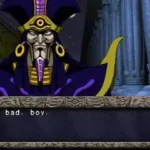
Play Baroque Syndrome (Japan) online! It is one of the top-rated PlayStation PSX games you can play for free. No download, emulator, or setup required—jump straight into the action directly in your browser and start playing this classic in seconds.
Introduction
Baroque Syndrome stands as a unique beacon in the realm of retro gaming, captivating players with its challenging gameplay and innovative design. Released in 1998 for the Sega Saturn, this dungeon crawler tapped into a niche that few others explored, combining elements of horror with a deep, immersive storyline. Its surreal atmosphere and difficulty level left a lasting impression on those who ventured into its strange, twisted world, making it a hallmark of 90s gaming culture.
Core Gameplay Mechanics and Difficulty
The essence of Baroque Syndrome lies in its punishing difficulty and intricate gameplay mechanics. Players traverse a treacherous world filled with hostile creatures and complex dungeons, where every choice can mean the difference between life and permanent death. The game’s permadeath feature significantly raises the stakes, compelling players to strategize meticulously and engage deeply with its RPG elements. With each run, players are faced with randomly generated layouts and varied enemy encounters, ensuring no two playthroughs are alike. The character development system is another highlight, offering choices that deeply affect the narrative and gameplay experience.
Historical Release Background and Innovations
Originally launched in Japan, Baroque Syndrome marked a significant moment in gaming history. As one of the few titles of its time to emphasize psychological horror within an action RPG framework, it paved the way for future games in the genre. Its unique artistic direction, framed by eerie visuals and haunting sound design, was groundbreaking for the 90s. The game’s design choices pushed technical boundaries of the Sega Saturn, optimizing large audio files and complex backdrops that added to the unsettling ambiance. These innovations helped earn Baroque Syndrome a dedicated fan base, many of whom remember it fondly for its distinct blend of emotional depth and gameplay complexity.
Cultural Impact and Legacy
Baroque Syndrome continues to impact retro gaming culture today, inspiring modern indie developers who seek to capture its essence. Its unconventional storytelling techniques and exploration of themes like existential dread resonate with gamers and enthusiasts alike. Players often reminisce about the challenge it presented, recounting personal stories of overcoming its trials. The game’s influence extends beyond its initial release, leading to remakes and discussions in gaming communities, ensuring that its unique vision leaves a lasting legacy.
Conclusion
In an ever-evolving gaming landscape, Baroque Syndrome remains a poignant reminder of the creativity and daring of 90s game design. Its blend of intricate gameplay, pervasive difficulty, and haunting atmosphere contributed to an experience that is just as compelling today as it was over two decades ago. For gamers seeking a nostalgic trip into challenging territory, the echoes of Baroque Syndrome serve as both a cautionary tale and a relic of innovation, forever etched in the annals of gaming history.