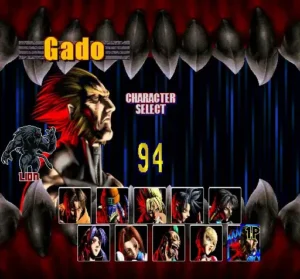
Play Bloody Roar 2: Bringer of New Age online! It is one of the top-rated PlayStation PSX games you can play for free. No download, emulator, or setup required—jump straight into the action directly in your browser and start playing this classic in seconds.
Gameplay Mechanics and Difficulty
Bloody Roar 2 stands as a defining title of the late ’90s fighting genre, introducing players to a dynamic blend of martial arts and shapeshifting. Players can choose from a diverse roster of characters, each with unique abilities and transformation mechanics. This interplay of human and beast forms elevates combat beyond traditional fighting games, encouraging strategic thinking and offering fresh tactics. The game’s fast-paced nature, paired with challenging AI opponents, presented a steep learning curve that both frustrated and motivated gamers, making every victory feel rewarding.
Historical Release Background
Released in 1998 for the PlayStation and arcade platforms, Bloody Roar 2 built on the foundations laid by its predecessor, enhancing graphics, character design, and gameplay mechanics. Developed by Hudson Soft, the game was part of a short-lived but impactful series that captured the interest of gamers worldwide. Its unique selling point—a blend of combat and transformation—was relatively novel, setting it apart from its contemporaries like Tekken and Mortal Kombat. The success of this title not only cemented its status as a cult favorite but also paved the way for subsequent sequels and adaptations in the early 2000s.
Cultural Impact and Long-Term Legacy
Although it may not have achieved mainstream blockbuster status, Bloody Roar 2 cultivated a passionate fan base that continues to celebrate its quirky charm and innovative mechanics. Its legacy is felt in the continuing interest in beast transformation as a gameplay mechanic, influencing future fighting titles. Furthermore, many fans remember it for its distinctive art style and memorable character designs, aspects that have inspired fan art and discussions in online communities long after its initial release.
Conclusion
In today’s gaming landscape, Bloody Roar 2 remains a noteworthy entry in the fighting genre, cherished for its unique blend of combat and transformation. Its contributions to gameplay mechanics and character diversity resonate even now, highlighting the innovative spirit of late ’90s gaming. As players continue to reminisce about this classic experience, its spirit lives on, reminding us of a golden era that shaped the future of video games.