Play Bushido Blade online! It is one of the top-rated PlayStation PSX games you can play for free. No download, emulator, or setup required—jump straight into the action directly in your browser and start playing this classic in seconds.
Introduction to Bushido Blade
Bushido Blade revolutionized fighting games with its unique mechanics and breathtaking realism, paving the way for a new era in the genre. Released for the PlayStation in 1997, this game introduced players to intense, one-on-one duels where strategy and skill were paramount. Unlike traditional fighting games that emphasized fast-paced combos, Bushido Blade focused on authentic swordplay, allowing players to experience the true essence of samurai combat. The impeccable attention to detail in the design and gameplay mechanics captured the imaginations of both gamers and critics alike.
Core Gameplay Mechanics
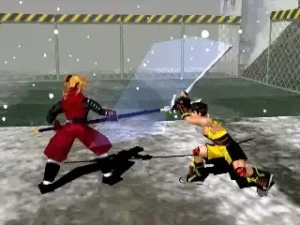
The gameplay in Bushido Blade is unique; every encounter feels like a life-or-death struggle. Combatants engage in fast, immersive battles where a single, well-placed blow can end a match. The game features a variety of characters, each with unique fighting styles, making strategy crucial. Players can choose from different weapons like katanas and naginata, with each weapon interacting differently. Additionally, the game introduced a one-hit kill system, which not only heightened the stakes but also encouraged a careful, strategic approach to each duel.
Environmental awareness plays a significant role in the game; players can use the surroundings to their advantage. For instance, terrain can affect movement speed, and distractions can be utilized to mislead opponents. The balance between realism and accessibility made Bushido Blade a standout title, and many fans continue to cherish these gameplay mechanics as a touchstone in the history of fighting games.
Historical Significance and Legacy
Upon its release, Bushido Blade broke away from the fighting game tropes dominating the market in the late ’90s. Its nontraditional approach resonated with players seeking depth in combat rather than merely button-mashing. Critics praised its aesthetic and sound design, which contributed to an immersive samurai experience. Over the years, the game has developed a cult following, influencing designers and inspiring modern samurai-themed games. It remains memorable for its blend of innovation and authenticity, solidifying its place in retro gaming history.
Conclusion
<pBushido Blade stands as a testament to the potential of video games to blend mechanics with storytelling. Its groundbreaking approach to combat, coupled with its rich thematic elements, continues to influence game design today. As gamers revisit this classic title, it serves as a reminder of the magic found in simple yet profound gameplay. Whether a nostalgic player or a newcomer, it's impossible to overlook the impact that Bushido Blade has had on the fighting game genre and the gaming world in general.