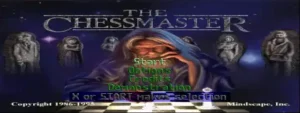
Play Chessmaster 3-D, The online! It is one of the top-rated PlayStation PSX games you can play for free. No download, emulator, or setup required—jump straight into the action directly in your browser and start playing this classic in seconds.
Introduction
In the realm of strategic video games, few titles resonate as strongly as Chessmaster 3-D. Released in the mid-1990s, this game brought the cerebral challenge of chess to life, offering a compelling blend of technology and classic gameplay. As one of the most celebrated chess simulators, it not only entertained but educated players, transcending traditional board game limitations and pushing the boundaries of interactive gaming.
Gameplay Mechanics and Difficulty
The core mechanics of Chessmaster 3-D adhere closely to the traditional rules of chess, yet innovate with features that enhance the overall experience. Players can engage against AI opponents set at various skill levels, allowing novices to learn while seasoned players adopt more complex strategies. The game also includes tutorials and training modes, making it accessible for players of all skill sets. One notable feature was its detailed analysis tool, which provided feedback on player moves, fostering improvement through critical insights. This combination of education and challenge keeps players engaged and looking to sharpen their skills.
Technical Innovations and Cultural Impact
When released, Chessmaster 3-D revolutionized how chess was perceived in the gaming world. The introduction of 3D graphics offered a unique visual dimension, allowing for a more immersive playing experience. This was a substantial leap from earlier chess games, which typically relied on 2D interfaces. Moreover, the game exemplified a celebration of chess as a cultural artifact, promoting the game’s rich history and strategic depth. Over the years, it has inspired a new generation of players, blending the intellectual rigor of chess with the growing affection for gaming technology.
Legacy and Lasting Impressions
Decades after its initial release, Chessmaster 3-D remains a beloved title for many gamers and chess enthusiasts. Its innovative approach to gameplay and commitment to teaching the fundamentals of chess has solidified its place in gaming history. Players often reminisce about their experiences, showcasing not just nostalgia but also the game’s ability to bridge generations.
Conclusion
In conclusion, Chessmaster 3-D stands out as more than just a game; it serves as a pivotal chapter in the evolution of gaming and chess alike. With its revolutionary features and lasting influence, it has maintained its relevance within the gaming community. As both a tool for learning and a platform for challenging oneself, it continues to be a cherished legacy that will be remembered by chess aficionados for years to come.