Play Clock Tower online! It is one of the top-rated PlayStation PSX games you can play for free. No download, emulator, or setup required—jump straight into the action directly in your browser and start playing this classic in seconds.
Unraveling the Gameplay Mechanics of Clock Tower
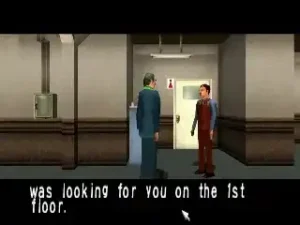
The bold and suspenseful atmosphere of Clock Tower captivates players even decades after its initial release. This survival horror game is a masterclass in tension and player immersion. Unlike many traditional games of its era, it immerses players not through action-packed combat but rather by creating an environment filled with fear and uncertainty. Players navigate a haunted mansion while being stalked by the unpredictable and terrifying Scissorman. The gameplay mechanics center around exploration, puzzle-solving, and evasion, demanding careful attention to atmosphere and sound—elements that accelerate the pulse and invoke dread.
Navigation involves strategic choices that can either lead to survival or a horrifying demise. Players must collect items and clues while seeking a way to escape the relentless pursuit. The game’s unique point-and-click interface sets it apart, emphasizing the importance of observation and interaction in solving intricate puzzles. This gameplay design not only challenged players’ skills but also elevated the horror genre, influencing subsequent titles in the space.
The Historical Context and Impact of Clock Tower
Released in 1995 by Human Entertainment, Clock Tower holds an important place in gaming history. As one of the pioneering survival horror games in the 90s, it laid the groundwork for future franchises like Resident Evil and Silent Hill. Its unique atmosphere and innovative gameplay combined with a compelling narrative made it a standout title during a time when graphics and storytelling were dramatically evolving in video games.
One of the most significant aspects of its design is the infamous “chase” mechanic, where players interact with Scissorman in a perilous cat-and-mouse game that can end with a sudden, shocking twist. This innovation not only kept players on edge but also added depth to the storyline, making death in the game feel both tangible and real. Moreover, the game’s success in Japan helped shift the perception of horror games worldwide, showcasing that they could aim for emotional depth and nuanced storytelling rather than simple shock value.
Why Clock Tower Endures in Gamers’ Memories
The legacy of Clock Tower reaches far beyond its initial release, with a devoted fan base that continues to celebrate its unique contributions to gaming. Numerous remakes and ports across various platforms have kept the spirit alive, enabling new generations to experience its chills. Its influence is visible in modern horror games that strive to emulate the tension and atmosphere perfected by Clock Tower.
In conclusion, Clock Tower remains a seminal title that reshaped the horror genre and continues to engage players through its thrills and narrative depth. Its innovative gameplay mechanics and chilling ambiance ensure that both nostalgic veterans and newcomers alike cherish this timeless classic. As we revisit its haunting hallways, we celebrate not just a game, but a pivotal moment in gaming history that redefined fear and storytelling in the interactive medium.