Play Dead or Alive online! It is one of the top-rated PlayStation PSX games you can play for free. No download, emulator, or setup required—jump straight into the action directly in your browser and start playing this classic in seconds.
Introduction
In the world of fighting games, Dead or Alive stands out as a landmark title that has left an indelible mark on both gameplay mechanics and cultural significance. First released in 1996, it introduced players to a fast-paced, technical fighting system that not only emphasized skill but also featured unique character designs and fluid animations. Its innovations helped to shape the genre, making it a favorite among fans and a crucial part of gaming history.
Core Gameplay Mechanics and Innovations
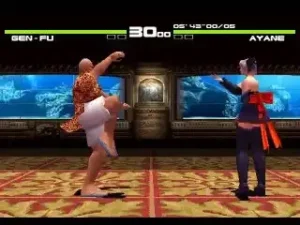
At its core, Dead or Alive offers a robust fighting system defined by its countering mechanics, which allow players to execute strategic moves while predicting their opponent’s attacks. This dynamic combat leads to intense, engaging matches that require both quick reflexes and deep tactical understanding. The introduction of a “counter” system not only elevated the competitive aspect but also catered to varied playing styles, allowing newcomers to enjoy the game while giving seasoned players room to master intricate techniques.
- Dynamic counter moves enhance gameplay strategy.
- Diverse character roster each with unique abilities.
- Stunning visuals that push the limits of the hardware.
Cultural Impact and Legacy
Released during the rise of 3D gaming, Dead or Alive helped define the era through its graphical fidelity and immersive combat environments. Its influence extended beyond casual gamers, attracting a dedicated competitive scene that thrived in arcade settings and later transitioned to home consoles. Over the years, the series has amassed a loyal following, spawning numerous sequels and spin-offs, thereby ensuring its relevance in the gaming community. Notably, it shone a light on character diversity and representation, carving out a unique niche in the fighting game landscape.
Why It’s Remembered Today
Today, Dead or Alive is celebrated not only for its engaging gameplay but also for its cultural footprint. It remains a touchstone in discussions about character design, game mechanics, and competitive fighting. Its commitment to innovation and player engagement has solidified its legacy as a pioneering title that continues to inspire new entries in the genre.
Conclusion
In conclusion, Dead or Alive remains a seminal work that bridges nostalgic memories with an expansive legacy in the world of fighting games. Its innovative gameplay mechanics and character dynamics contributed to a lasting impact on the genre, making it a must-know title for both veteran gamers and newcomers alike. As the franchise evolves, the original game continues to be celebrated and studied, reminding us of the creative heights that video games can reach.