Play Harvest Moon – Back to Nature online! It is one of the top-rated PlayStation PSX games you can play for free. No download, emulator, or setup required—jump straight into the action directly in your browser and start playing this classic in seconds.
Exploring the Gameplay Mechanics of Harvest Moon
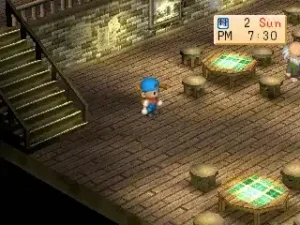
The charm of Harvest Moon lies in its seamless blend of farming simulation and role-playing elements. Players take on the role of a young farmer striving to revive a neglected land by cultivating crops, raising livestock, and engaging with a diverse cast of characters. The game’s challenges require not only strategic planning but also a gentle touch, as life moves at a calm pace. Balancing resources, social interactions, and personal goals creates an immersive experience that captivates players.
The core mechanics are simple yet engaging. Daily tasks, such as planting crops and caring for animals, form the backbone of gameplay, pushing players to think creatively about their farm’s layout. Seasons affect crop growth and animal behavior, introducing an additional layer of complexity. Players must also manage their time wisely, as every action consumes valuable hours. This time management challenge, reminiscent of real-life farming, adds an endearing layer of depth to the gameplay.
Historical Background and Cultural Impact
Released for the PlayStation in 1999, Harvest Moon quickly carved out a unique niche in the gaming landscape. Unlike the action-packed titles prevalent at the time, it offered a relaxing alternative, emphasizing community and agriculture. This innovative approach attracted players looking for a respite from the frenetic pace of traditional gaming.
Its success gave rise to a beloved franchise, influencing a plethora of other simulation games. The title’s cultural relevance can be seen in its legacy; it inspired numerous sequels and spin-offs, making farming simulations a popular genre. Nostalgia plays a significant role in its lasting appeal, as many gamers fondly remember the hours spent tending to virtual crops and nurturing in-game friendships.
The Legacy of Harvest Moon
- Influenced a generation of farming and simulation games.
- Promoted themes of community and environmental stewardship.
- Fostered a dedicated fanbase advocating for further developments in the genre.
In conclusion, Harvest Moon not only revolutionized farming simulation but also left an indelible mark on the gaming culture. Its charming aesthetic, coupled with engaging gameplay mechanics, continues to resonate with both new and returning players. As we look ahead, the title serves as a reminder of the importance of community and connection, both in virtual worlds and in life itself. The nostalgia it evokes keeps its spirit alive, ensuring that it will not be forgotten anytime soon.