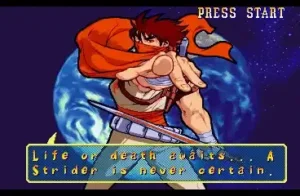
Play Marvel vs. Capcom: Clash of Super Heroes online! It is one of the top-rated PlayStation PSX games you can play for free. No download, emulator, or setup required—jump straight into the action directly in your browser and start playing this classic in seconds.
Core Gameplay Mechanics and Difficulty
Marvel vs. Capcom revolutionized the fighting game genre with its dynamic gameplay. Players select a team of two characters to battle, engaging in fast-paced action that requires both skill and strategy. Each character boasts unique abilities and combos, making mastering their moves essential for success. The tag-team mechanic allows players to switch seamlessly between fighters, enriching the tactical depth of encounters. This innovation added layers of strategy, as players could launch devastating attacks by coordinating between characters.
Despite its vibrant graphics and accessible mechanics, the game is renowned for its steep learning curve. Mastery demands practice and timing, especially in executing advanced combos known as “DHCs” (Delayed Hyper Combos). This balancing act of accessibility for newcomers and depth for veterans has kept players returning for more, solidifying its status in the fighting game community.
Historical Release Background
Launched in 1998 as the first in its franchise, this title was a significant collaboration between Marvel Comics and Capcom. The game featured a roster of beloved characters, from Spider-Man and Iron Man to Street Fighter icons like Ryu and Chun-Li. This crossovers not only thrilled fans but also broke new ground by blending two distinct fandoms into one cohesive experience.
Its success at arcades prompted ports to other platforms, including the PlayStation and Sega Dreamcast, which expanded its reach. The willingness of Capcom to take risks—in blending these two universes—set a precedent for future games and created a lasting legacy. The blend of engaging storytelling and energetic gameplay left an indelible mark on both franchises, ensuring that fans would champion this title for decades.
Cultural Impact and Legacy
Today, the influence of this game can be seen across various media, from animated series to merchandise, demonstrating its cultural significance. Tournaments dedicated to the game attract thousands of players, showcasing the competitive spirit it inspired. Its memorable visuals and characters have become iconic, living on in the hearts of gamers.
- Dynamic tag-team gameplay
- Diverse character roster
- Steep learning curve and skill depth
The enduring popularity of this title is a testament to its innovative design and the nostalgia it evokes. As a pioneer in the cross-franchise genre, it remains a touchstone for both old and new players. The thrilling matches continue to energize communities, ensuring that its legacy is celebrated well into the future.