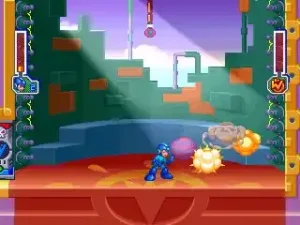
Play Mega Man 8 online! It is one of the top-rated PlayStation PSX games you can play for free. No download, emulator, or setup required—jump straight into the action directly in your browser and start playing this classic in seconds.
Reviving the Legacy of Mega Man 8
Mega Man 8 stands as a testament to the innovation and creativity that characterized the late 1990s gaming era. Released in 1996 for the PlayStation and Sega Saturn, this game introduced a new generation to the charismatic blue android battling an array of unique robots. Famed for its vibrant graphics and engaging gameplay, it aimed to blend nostalgic elements from earlier series installments with exciting innovations, captivating both veterans and newcomers alike.
Core Gameplay Mechanics and Difficulty
The core of Mega Man 8 features a classic platforming style that demands precision and skill from players. As they navigate through vibrant levels, players encounter a variety of enemies, each presenting unique challenges. The game introduced a new charging mechanic for weapons, allowing players to unleash more powerful attacks, which added an extra layer of strategy to gameplay. Players also needed to master the skills of various bosses to leverage their abilities against subsequent foes. The level of difficulty can be punishing, pushing players to develop their reflexes while mastering the intricacies of each stage.
Historical Release Background
Originally launched in Japan as Mega Man Battle & Chase, the game found its way to North American and European audiences, garnering mixed reviews for its departure from strict platforming to incorporate more action elements. It was one of the last 2D entries in the iconic series, setting the stage for the 3D transformations in later titles. Despite initial criticisms, the game gradually gained admiration for its artistic design and soundtracks, establishing it as a beloved chapter in the Mega Man saga.
The Cultural Impact and Long-Term Legacy
Mega Man 8 has maintained a strong cultural significance over the years, often acknowledged in discussions about the golden age of 2D platformers. Its bold design choices laid the groundwork for future titles, influencing not only how action games were developed but also how narrative and character development became intertwined within gameplay. Fans celebrate the game through merchandise, art, and even speedrunning communities. Such passion reflects the game’s enduring appeal and showcases its influential role in gaming history.
In conclusion, the legacy of Mega Man 8 exemplifies the creativity and innovation of its time. As both a significant part of the Mega Man franchise and a nostalgic reminder of the past, it continues to be cherished by fans around the globe. Future generations of gamers can appreciate the intricate gameplay mechanics and vibrant world, ensuring that this iconic title remains a classic beloved by many.