Play Pandemonium! online! It is one of the top-rated PlayStation PSX games you can play for free. No download, emulator, or setup required—jump straight into the action directly in your browser and start playing this classic in seconds.
Unraveling the Gameplay Mechanics of Pandemonium
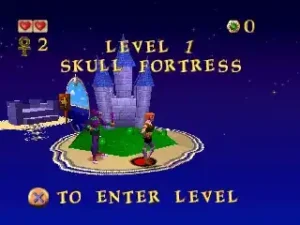
In the world of 90s gaming, few titles have left as lasting an impression as Pandemonium. Known for its vibrant aesthetic and innovative platforming mechanics, this game challenged players through a unique combination of 2.5D graphics and fluid movement. Players took control of wacky characters like Nikki and Fargus, navigating through whimsical environments filled with perilous obstacles and enchanting enemies. The ability to switch between characters not only added depth but also required players to master different playstyles, reflecting the game’s innovative approach to gameplay.
What made the platforming experience particularly compelling was its difficulty curve. The levels ranged from moderately challenging to downright frustrating, demanding precision and quick reflexes. Each stage was vividly designed, featuring obstacles that required versatile gameplay strategies, like timing jumps and utilizing power-ups effectively. The challenge was not just in beating levels but in mastering their intricacies, cementing the game’s reputation as a diamond in the rough of platforming history.
The Historical Significance of the Game
Pandemonium debuted in 1996, marking a turning point in the platforming genre. Developed by the then-nascent studio Toys for Bob, it debuted on the PlayStation during a time when 2D platformers were transitioning to 3D. This game paved the way for future titles by showcasing the potential of 3D environments while retaining the essential qualities of classic platforming. Its colorful visuals and creative level designs caught the attention of both critics and consumers, further magnifying its impact.
The legacy of Pandemonium extends beyond its initial release. The game spawned sequels and has continued to draw in nostalgic gamers yearning for the thrill it provided. Its unique art style, along with the quirky characters, created a cultural phenomenon, resembling the joyful chaos implied by its name. Players fondly recall the time spent navigating its fantastical worlds, making it a cherished memory from their gaming past.
Why Pandemonium Continues to Resonate
The elements that made Pandemonium a beloved title—its vibrant graphics, memorable characters, and challenging gameplay—are why it still holds a place in the hearts of gamers today. It demonstrates the magic of old-school gaming while informing modern titles on how to blend nostalgia with innovation. Whether reminiscing about favorite levels or discussing its influence, players continue to celebrate this classic for its adventurous spirit and engaging challenges.
Conclusion
Ultimately, Pandemonium remains a testament to the creativity and innovation that fueled 90s gaming. Its blend of exhilarating gameplay and rich, colorful design has secured its place not just as a product of its time but as a remarkable piece of gaming history. Whether it’s through a casual playthrough or a nostalgic discussion, returning to this title invites players to rediscover the playful charm that made it a classic—the kind of charm that can make anyone relive a little bit of their gaming youth.