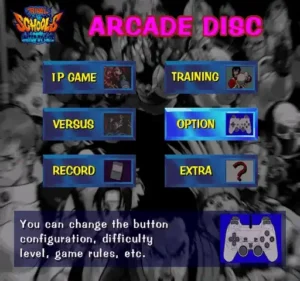
Play Rival Schools: United by Fate online! It is one of the top-rated PlayStation PSX games you can play for free. No download, emulator, or setup required—jump straight into the action directly in your browser and start playing this classic in seconds.
Gameplay Mechanics and Innovations
Released in 1997, Rival Schools introduced a fresh approach to the fighting genre. By fusing traditional one-on-one combat with unique team mechanics, players were allowed to engage in tag battles, pairing characters to unleash dynamic combo combinations. This not only enriched the gameplay but also encouraged strategic planning, as players had to consider team composition and character synergy. The combat system was notable for its ability to execute flashy moves known as “School Shifting,” allowing players to change characters mid-fight, which added a layer of depth that was rare for its time.
Another innovative feature was the introduction of “clash” mechanics, enabling actions to cancel each other out, which balanced the gameplay and kept matches competitive. Notably, the character designs were vibrant and diverse, with each fighter representing different high schools, lending the game a unique cultural flavor that resonated with players around the globe.
Historical Context and Cultural Impact
The release of Rival Schools came during an era when fighting games were capturing the hearts of gamers worldwide. Following the success of titles like “Street Fighter,” this game carved its niche with its engaging storylines and unforgettable characters. The game’s narrative set in a high school context mixed with battles showcased an undercurrent of camaraderie even amidst rivalries, making it relatable to a younger audience.
Culturally, the game resonated well beyond its initial release, inspiring a loyal fanbase that remains active today. It spawned sequels and adaptations, reaffirming its place in gaming history. Not only does it evoke nostalgic emotions for those who played it in arcades, but it also paved the way for future games to embrace storytelling within their mechanics, influencing various franchises across genres.
Legacy and Continued Relevance
The enduring legacy of Rival Schools can be attributed to its innovative gameplay and relatable themes. Fans continue to celebrate and revisit the game through various emulation platforms and community events, ensuring its iconic status in retro gaming history. Its balance of fun mechanics and engaging narratives keeps it alive in the hearts of old and new gamers alike.
In conclusion, Rival Schools remains a hallmark of innovation in the fighting game genre, blending unique mechanics with compelling storytelling. Its historical significance and cultural impact have ensured that it is not merely a relic of the past but a beloved classic that continues to influence modern gaming.