Play Time Crisis online! It is one of the top-rated PlayStation PSX games you can play for free. No download, emulator, or setup required—jump straight into the action directly in your browser and start playing this classic in seconds.
Unpacking the Gameplay of Time Crisis
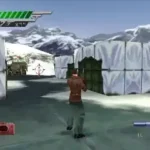
Time Crisis revolutionized the light gun genre with its innovative cover mechanics and immersive environments. Players are thrust into a series of high-stakes scenarios where quick reflexes and strategic thinking are essential. Unlike traditional shooters, it allows players to take cover and dodge enemy fire, adding a layer of tactical gameplay that was groundbreaking at its release. The game’s design encourages players to engage actively, pressing a pedal to move in and out of cover, creating a dynamic shooting experience that captivated audiences.
One of the game’s standout features is its branching paths, allowing multiple ways to complete levels. This not only increases replayability but also challenges players to refine their strategies. Each stage is punctuated by intense boss battles that push your skills to the limit, making every encounter memorable. The combination of thrilling action and strategic depth set a new standard for arcade shooters, leaving players yearning for more with each playthrough.
The Historical Significance of Time Crisis
Initially released in 1995 by Namco, Time Crisis was a landmark in arcade gaming. It distinguished itself with its impressive graphics and sound design, which effectively conveyed a cinematic feel that players had rarely experienced in the arcade scene. The game was instrumental in popularizing light gun games and paved the way for future installments and similar titles.
Over the years, it has also inspired a dedicated fanbase and led to various sequels, improving on the original’s concepts while introducing new gameplay mechanics. Notably, it has transitioned effectively into home consoles, ensuring its legacy continues in various formats. Time Crisis remains an important reference point for developers looking to create engaging shooting experiences.
The Cultural Impact of Time Crisis
Time Crisis left an indelible mark on gaming culture. It’s frequently cited in discussions about the evolution of shooting games and arcade experiences. The game’s popularity spawned merchandise, adaptations, and even a film, showcasing its reach beyond the arcade. Its combination of action and strategy has influenced countless titles, making it a staple reference for both game designers and nostalgic players alike.
In conclusion, Time Crisis stands as a testament to the innovation and excitement of the 1990s arcade era. Its unique gameplay mechanics and rich historical context contribute to its enduring legacy. Today, it continues to resonate with gamers, reminding us of the thrill that arcade shooters brought into our lives, ensuring that it is forever etched in the annals of gaming history.