Play Toy Story 2 – Buzz Lightyear to the rescue online! It is one of the top-rated PlayStation PSX games you can play for free. No download, emulator, or setup required—jump straight into the action directly in your browser and start playing this classic in seconds.
Introduction
Originally released for the PlayStation and Nintendo 64, Toy Story 2 set the bar for licensed video games with its innovative mechanics and captivating storytelling. Based on Pixar’s beloved film, it not only captured the essence of the characters but also introduced a gameplay experience that resonated with both young gamers and nostalgic adults. As gaming evolved, this title left an indelible mark, showcasing how movies could transition smoothly into interactive entertainment.
Core Gameplay Mechanics and Difficulty
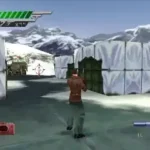
The core gameplay mechanics of Toy Story 2 are a blend of platforming, puzzle-solving, and action elements. Players control Buzz Lightyear on a quest to rescue Woody while navigating various levels inspired by the movie’s settings. Each level is designed with distinct challenges, including timed platform jumps and enemy encounters, which keep players engaged. This mix of difficulty and fun not only appeals to seasoned gamers but also offers younger players an accessible entry point into the platformer genre.
One of the standout mechanics includes Buzz’s jetpack, which allows for vertical exploration and adds depth to level design. The game encourages exploration, rewarding players with collectible “Pizza Planet tokens” that can be found through hidden pathways and secret areas. This exploration aspect fosters a sense of discovery that is a hallmark of great platforming games.
Historical Release Background
Toy Story 2 launched in 1999 as a tie-in to the successful animated film, realizing a significant leap in design and storytelling within licensed games. Developed by Traveller’s Tales, the game was notable for its impressive graphics, which leveraged the technology of the time to bring characters to life in a way that few other games could. The transition from film to gaming was seamless, proving that mainstream properties could be adapted into engaging interactive experiences.
This game marked a pivotal moment in the industry, showcasing the potential of 3D gaming and storytelling. Players felt a connection to the characters, enabling a deeper emotional experience than many of its predecessors. The title not only entertained but also empowered other franchises to invest in quality gaming adaptations, ultimately shaping the future of licensed games.
Cultural Impact and Long-term Legacy
The cultural impact of Toy Story 2 endures, as it’s often cited among the best movie-based video games of all time. Its blend of nostalgia and innovative gameplay has prompted re-releases and remakes as modern platforms emerge. The game has also influenced countless developers, proving that engaging narratives can coexist with high-quality gameplay.
Conclusion
In closing, Toy Story 2 remains a game that exemplifies how animated films can translate into interactive joys. Its engaging gameplay, memorable characters, and inspirational design advancements ensure that it has not only survived the test of time but flourished in the memories of gamers. As nostalgia continues to fuel the gaming industry, this title stands strong, reminding us of the magic that happens when beloved stories meet the world of gaming.