Play GG Aleste (Japan) online! It is one of the top-rated Game Gear games you can play for free. No download, emulator, or setup required—jump straight into the action directly in your browser and start playing this classic in seconds.
Exploring the Legacy of GG Aleste
In the vibrant world of retro gaming, GG Aleste holds a special place, captivating players with its unique blend of innovation and engaging gameplay. Released for the Sega Game Gear in 1991, this title is a shining example of the 16-bit era’s spirit, showcasing the technological advancements of the time and contributing to the foundation of the shoot-’em-up genre. The game not only challenged players with its fast-paced mechanics but also introduced features and design elements that would set a benchmark for future releases.
Gameplay Mechanics and Difficulty
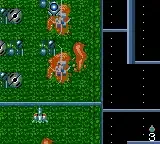
GG Aleste is celebrated for its addictive gameplay, where players control a sleek spaceship navigating through hostile environments filled with various enemies. The game mechanics emphasize speed and precision, challenging players to master their reflexes. Its levels are meticulously crafted, with each presenting a distinct challenge that escalates in difficulty, ensuring that gamers remain engaged. Key features include:
- Multiple weapon upgrades that enhance firepower.
- Dynamic enemy patterns that keep players on their toes.
- Vivid graphics that elevate the overall immersive experience.
These mechanics not only make the game fun but also contribute to its replay value as players strive to improve their scores and complete levels without losing lives.
Historical Context and Cultural Impact
Launched during the golden age of handheld gaming, GG Aleste marked an important milestone in the evolution of portable shooters. As a title that pushed the boundaries of what players expected from a handheld system, it helped cement the Sega Game Gear’s reputation as a serious competitor in the market against Nintendo’s Game Boy. Its vibrant graphics and compelling gameplay provided a stark contrast to other options available at the time.
The game’s cultural resonance extends beyond its initial release. It has garnered a dedicated fanbase, inspiring modern indie developers to incorporate its design philosophy and level structure into new titles. This homage to classic mechanics ensures that GG Aleste remains influential, as both a nostalgic artifact and a source of inspiration for contemporary gaming.
Conclusion
Today, GG Aleste is remembered not only for its exciting gameplay and innovation but also for its role in shaping the handheld gaming landscape. Its legacy lives on, reminding gamers of a time when skill and strategy were paramount. As retro gaming continues to find new audiences, titles like GG Aleste serve as a testament to the enduring appeal of classic designs and the innovations that paved the way for future generations.