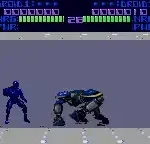
Play Mortal Kombat II (World) online! It is one of the top-rated Game Gear games you can play for free. No download, emulator, or setup required—jump straight into the action directly in your browser and start playing this classic in seconds.
History and Release Background
Mortal Kombat II is not just a game; it’s a pivotal moment in gaming history. Released in 1993 as a sequel to the original Mortal Kombat, this iconic fighting game was developed and published by Midway Games. Building on its predecessor’s success, it introduced a deeper narrative and a wider array of characters, elevating the lore of the Mortal Kombat universe. The game debuted in arcades and quickly transitioned to various home consoles, including the Super Nintendo and Sega Genesis, sealing its reputation across different platforms.
The game’s release marked a decisive moment in the fighting genre, featuring enhanced graphics and fluid gameplay that captivated players. The infamous fatalities returned, pushing boundaries and igniting debates about violence in video games. As a direct response to the controversy surrounding the first installment, Mortal Kombat II took the franchise to new heights, allowing it to carve its niche in a competitive market.
Gameplay Mechanics and Innovations
Core gameplay in Mortal Kombat II revolved around intense one-on-one combat, where players could choose from a roster of unique fighters, each with signature moves and combinations. The inclusion of new mechanics, such as juggling and combo attacks, offered layers of strategy that kept players engaged. The game raised the bar for difficulty, presenting challenges that required skillful execution, timing, and knowledge of each character’s abilities.
- Diverse character selection, each with unique abilities
- Increased focus on combos and special moves
- Significant improvements in graphics and sound design
Cultural Impact and Legacy
The cultural impact of Mortal Kombat II is profound, solidifying itself as a landmark title in gaming history. The franchise introduced memorable characters like Scorpion and Liu Kang, becoming figures of pop culture through films, merchandise, and animated series. This expansion rooted the game in players’ imaginations, leading to an enduring legacy that continues to inspire new generations of gamers. Even decades later, it remains a touchstone for fighting game enthusiasts.
Conclusion
Mortal Kombat II left a lasting impression on the gaming world, not just by refining combat mechanics but by reshaping the conversation around violence in video games. Its blend of innovative gameplay and rich storytelling ensures its place as a celebrated piece of gaming history. As new titles emerge, the legacy of Mortal Kombat II continues to influence game design and culture, reminding us why it holds a special place in the hearts of many.