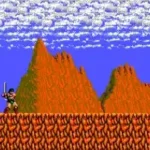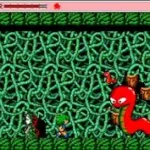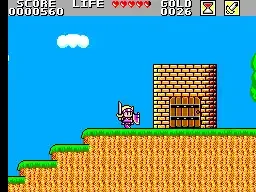
Play Wonder Boy in Monster Land (USA, Europe) online! It is one of the top-rated SEGA Master System games you can play for free. No download, emulator, or setup required—jump straight into the action directly in your browser and start playing this classic in seconds.
Step into a vibrant, fantastical realm where action-RPG mechanics met arcade immediacy: Wonder Boy in Monster Land. Released by Sega in 1987 for arcades and later ported to various home systems, most notably the Sega Master System in 1988, this title marked a significant evolution for the Wonder Boy series. Departing from the pure platforming of its predecessor, it introduced a captivating blend of exploration, combat, and light role-playing elements. Players embarked on a quest as the young hero, Book, to defeat the evil Dragon and restore peace to Monster Land, captivating a generation of gamers with its unique charm and challenging adventure.
Gameplay Evolution and Enduring Challenge
The transition from the original Wonder Boy arcade‘s linear, score-chasing platforming to the more expansive, item-driven adventure of this sequel was revolutionary. Players navigated a series of interconnected stages, battling a diverse array of enemies, collecting gold, and purchasing essential upgrades from shops. These upgrades, including swords, shields, armor, and magical boots, were crucial for progression, adding a strategic layer to the action. The game’s difficulty was finely tuned, offering a satisfying challenge without feeling unfair. Boss battles required pattern recognition and precise timing, while hidden secrets and time limits encouraged exploration and efficiency.
Unlike many arcade games, Monster Land featured an inventory system and persistent character progression, elements more commonly found in console RPGs. This blend of genres created a distinctive experience that resonated with players. The game demanded mastery of its combat system, careful resource management, and a keen eye for secrets, making each playthrough a rewarding journey of skill development and discovery.
A Lasting Legacy in the Monster Land
Despite its arcade origins, the home console port, particularly for the Sega Master System Wonder Boy, cemented its place in gaming history. It showcased the console’s capabilities and provided a deep, engaging experience that stood out in an era dominated by more straightforward action titles. Its bright, colorful graphics and memorable soundtrack contributed significantly to its appeal, creating an immersive world that players loved to revisit. The game’s influence can be seen in subsequent action-adventure titles, demonstrating how its innovative design pushed boundaries.
Today, this classic is still remembered for several key reasons:
- Genre Pioneer: It effectively blended action, platforming, and RPG elements, influencing future game design.
- Memorable Soundtrack: Iconic tunes that are instantly recognizable to retro gaming enthusiasts.
- Charming Art Style: Distinctive character designs and vibrant environments that hold up well.
- Rewarding Difficulty: A challenging but fair experience that encourages skill and persistence.
Its unique blend of arcade action and RPG depth ensured its enduring appeal, making it a beloved classic that continues to be celebrated by retro gaming communities worldwide.
From its groundbreaking gameplay mechanics to its vibrant aesthetics and lasting cultural impact, this title remains a cornerstone of retro gaming. It successfully bridged the gap between arcade thrills and console depth, offering an adventure that was both challenging and incredibly rewarding. Its innovative approach to the action-RPG genre solidified its place as a timeless classic, continuing to inspire and entertain new generations of players discovering the magic of Monster Land.