Play Dragon – The Bruce Lee Story (USA) online! It is one of the top-rated Super NES games you can play for free. No download, emulator, or setup required—jump straight into the action directly in your browser and start playing this classic in seconds.
Core Gameplay Mechanics and Difficulty
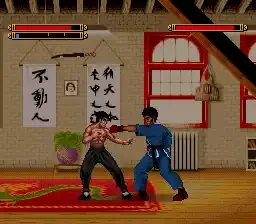
Dragon challenges players with a unique blend of beat ’em up mechanics and martial arts choreography that pays homage to Bruce Lee’s iconic legacy. The game features a variety of combat moves, allowing players to execute powerful punches, kicks, and special techniques to overcome a range of opponents. Mastery of timing and strategy is crucial, as players must react quickly to enemy attacks while maintaining their own offensive. Additionally, the levels are designed with varying difficulty, ensuring that both novices and seasoned gamers can find their footing or face a real challenge.
Cultural Impact and Long-Term Legacy
Initially released in 1993, Dragon was developed amidst a burgeoning interest in martial arts films and video games. Infused with elements from Bruce Lee’s life and career, it resonated with fans who were eager to relive his adventures through an interactive medium. The game was not only a commercial success but also helped to pave the way for future kung fu games, establishing a template for how martial arts could be represented in digital form.
Its soundtrack, graphics, and narrative honor Lee’s contributions to popular culture, creating a nostalgia factor that keeps it alive in gaming discussions today. Players often fondly recall their experiences, sharing strategies and stories based on their challenges, cementing the game’s place in retro gaming history.
Innovations in Game Design
One of the standout features of Dragon is its fluid animation and character design, which was revolutionary for its time. With the use of rotoscope techniques, developers ensured that movements felt authentic and aligned with Bruce Lee’s fighting style. This level of detail not only set the game apart from its contemporaries but also captured the essence of martial arts in a way that many games hadn’t before.
In conclusion, Dragon remains an unforgettable title in retro gaming, celebrated for its fascinating gameplay, historical significance, and cultural impact. As a tribute to one of the most iconic figures in martial arts history, it continues to inspire both gamers and developers alike, reminding us of the power of storytelling through interactive experiences. Its legacy lives on, reinforcing why it deserves a spot in the hearts of many retro gaming enthusiasts.