
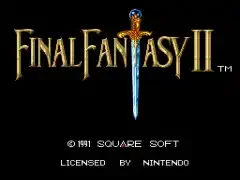



Released in 1988 in Japan, Final Fantasy II immediately distinguished itself from its predecessor by boldly abandoning traditional role-playing game conventions. While the original Final Fantasy laid the groundwork for the genre, this sequel from Squaresoft took a radical left turn, introducing an experimental character progression system and a darker, more emotionally resonant narrative that would profoundly influence the series’ future direction.
Revolutionary Mechanics and Unconventional Growth
One of the most defining aspects of Final Fantasy II is its unique “learn-by-doing” character development. Eschewing the typical experience point and level-up system, characters improved their stats and abilities based on their actions in combat. If a character took damage, their HP might increase. If they used a particular weapon repeatedly, their proficiency with that weapon would grow, making them more effective. Similarly, casting spells boosted magic power and spell levels. This innovative approach to character growth, while sometimes requiring unconventional tactics like attacking one’s own party members to boost HP, offered an unparalleled sense of organic progression. It made every combat encounter feel meaningful and forced players to adapt their strategies to sculpt their party members precisely as they desired, a stark contrast to the rigid class systems prevalent in other NES RPGs.
A Darker Narrative and Lasting Legacy
Beyond its groundbreaking gameplay, Final Fantasy II also pushed boundaries with its narrative. The story plunges players into a world gripped by the oppressive Palamecian Empire, following a group of young rebels orphaned by war. It was a significantly darker and more mature tale than the first game, featuring themes of loss, betrayal, and the cost of rebellion. Characters had deeper motivations, and the plot included poignant moments and even character deaths, adding a layer of emotional weight rarely seen in 8-bit games. This narrative depth, combined with the experimental Final Fantasy II mechanics, cemented Squaresoft’s reputation for innovation and storytelling prowess, establishing a precedent for the rich, character-driven sagas that would become a hallmark of the franchise.
Why Final Fantasy II Still Resonates
- Innovative Progression: Its “learn-by-doing” system remains unique.
- Mature Storytelling: A darker narrative with emotional depth.
- Challenge and Strategy: Rewards thoughtful engagement with its systems.
- Series Foundation: Influenced future Final Fantasy titles’ willingness to experiment.
Final Fantasy II stands as a testament to the power of creative risk-taking in game design. While its unconventional mechanics were polarizing for some, they undeniably forged a distinct identity for the game within the burgeoning RPG landscape. It remains a fascinating and essential entry in the series, remembered not just for its bold departure from the norm, but for its enduring legacy as a truly experimental and influential retro RPG.
Important: The “siren” item is not in this game. Siren = immediate battle against rarest local enemy formation. Without that, the ’empty room’ monster hunts in various dungeons don’t work as intended because they take 1 final fantasillion hours of time instead of just 1 hour.