Play K.H. Rummenigge’s Player Manager (Germany) online! It is one of the top-rated Super NES games you can play for free. No download, emulator, or setup required—jump straight into the action directly in your browser and start playing this classic in seconds.
Embracing the Simulation: The Gameplay of K.H. Rummenigge’s Player Manager
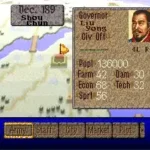
When K.H. Rummenigge’s Player Manager hit the gaming scene in the early ’90s, it wasn’t just another sports simulation; it redefined how we perceive the role of a football manager. Players weren’t only tasked with developing strategies or formation adjustments; they stepped into the shoes of a player-manager, seamlessly blending the worlds of coaching and on-field action. This dual role created a rich and engaging experience, which drew many gamers into its detailed simulation of football management.
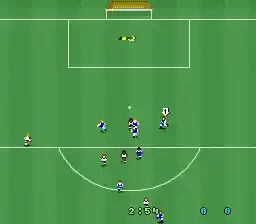
The core gameplay mechanics revolved around managing a football team while also stepping onto the pitch whenever necessary. Players had to navigate the complexities of team dynamics, player transfers, and tactical choices while also mastering the skills required to lead their chosen team to glory in matches. This combination of strategic and real-time gameplay made the title both intriguing and challenging, rewarding those who invested time in learning its nuances.
A Glimpse into the Past: Historical and Cultural Context
Released in 1990, K.H. Rummenigge’s Player Manager emerged at a time when sports video games were witnessing a significant evolution in complexity and interactivity. The late ’80s and early ’90s brought about a real demand for simulation titles that provided depth rather than simple arcade experiences. This game was a pioneer in the genre, introducing features that were ahead of its time, such as detailed player statistics and match analysis.
The cultural impact of this title cannot be overstated. It not only catered to football enthusiasts but also elevated gaming as a serious form of entertainment that required strategic thinking and planning. Its legacy lives on in modern football management simulations, with contemporary titles often citing it as an early influence. Players who experienced it during its heyday often reminisce about the hours spent balancing their on-field skills with their managerial prowess.
Key Features That Defined the Game
- Combination of management and player control
- Realistic player statistics and transfers
- Dynamic gameplay that challenging both strategists and action-oriented players
Today, K.H. Rummenigge’s Player Manager is remembered not only for its engaging gameplay but also for its role as a stepping stone in the evolution of sports simulations. Its ability to combine management with real-time action provided a unique experience that has influenced countless titles in the genre. As a nostalgic reminder of gaming’s past, it serves as a testament to the innovation and creativity that characterized the early days of football video games.