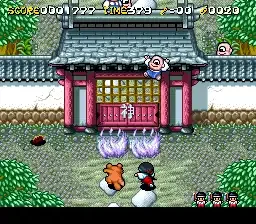
Play Kiki Kaikai – Tsukiyo Soushi (Japan) online! It is one of the top-rated Super NES games you can play for free. No download, emulator, or setup required—jump straight into the action directly in your browser and start playing this classic in seconds.
Unpacking the Core Gameplay Mechanics
Kiki Kaikai stands out as a charming, yet challenging game that blends action with strategy. Players take on the role of a shrine maiden, battling through various levels filled with mythological creatures and bosses. The gameplay revolves around defeating enemies using magical talismans and unleashing special moves, which requires warm-up precision and timing to master. With simple controls but complex mechanics, the game tests both reflexes and strategic thinking.
The difficulty escalates as players progress, with increasingly intricate patterns of enemy attacks and environmental hazards. This creates an exhilarating experience that keeps players coming back for more. The balance of challenge and satisfaction has made it a classic that resonates with both retro gaming aficionados and newcomers alike.
A Historical Perspective on Release and Reception
Originally released in 1986, Kiki Kaikai showcased the cutting-edge graphics and sound design of its time, vividly bringing Japanese folklore to life. Developed by Taito, it was notable for its unique theme, drawing inspiration from Shinto beliefs and traditional Japanese aesthetics. This not only set it apart from other arcade games of the era but also introduced players to a rich cultural narrative seldom explored in gaming.
The game quickly gained popularity, spawning sequels and adaptations, solidifying its place within the gaming community. Its impact extends beyond mere entertainment; it has inspired various spin-offs and appearances in later Taito games, demonstrating its lasting legacy. The ability to weave cultural elements into engaging gameplay greatly contributed to its remembrance and affection among retro enthusiasts.
The Lasting Cultural Impact
Kiki Kaikai has had a profound effect on the gaming landscape, influencing both its genre and the representation of Japanese culture in video games. The game’s fusion of traditional lore with engaging mechanics allows it to endure in the memories of players. Even today, remakes and tributes are a testament to its nostalgic charm, ensuring that Kiki Kaikai remains a beloved title in retro gaming history.
Conclusion
The enduring allure of Kiki Kaikai lies in its innovative blend of gameplay and cultural depth. As it carved its niche in the rich tapestry of retro gaming, its legacy continues to inspire new generations. Through the mastery of its intricate mechanics and embrace of its cultural roots, this title is a perfect example of how video games can provide not just entertainment, but a window into the traditions and stories of a bygone era.