Play Kirby’s Dream Land 3 (USA) online! It is one of the top-rated Super NES games you can play for free. No download, emulator, or setup required—jump straight into the action directly in your browser and start playing this classic in seconds.
Rediscovering Kirby’s Dream Land 3
Released by Nintendo in 1997, Kirby’s Dream Land 3 instantly captured the hearts of gamers, thanks to its charming aesthetic and unique gameplay mechanics. The title introduced players to a vibrant world filled with colorful characters, delightful abilities, and creative level design. Unlike its predecessors, this game combined both cooperative gameplay and beautiful hand-drawn animations, setting a new standard in the platformer genre. The nostalgia encapsulated in this whimsical adventure continues to resonate with players long after its release.
Gameplay Mechanics and Difficulty
At its core, Kirby’s Dream Land 3 is celebrated for its innovative mechanics and cooperative play. Players control Kirby, who can absorb enemies to gain their abilities, introducing a layer of strategy in tackling diverse challenges. The game also allows a second player to join as Gooey, adding a new dimension to gameplay. Levels are designed not only for completion but also for exploration, encouraging players to uncover hidden items and secrets. This approach caters to both casual gamers and those seeking a challenge, ensuring an engaging experience for everyone.
Technical Innovations
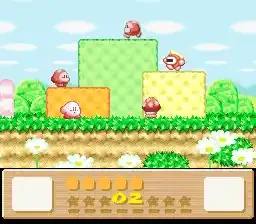
The artistic direction of **Kirby’s Dream Land 3** was groundbreaking for its time. Nintendo embraced a hand-drawn style that gave each level a painterly quality, setting it apart from other titles on the Super Nintendo. Additionally, pixel art blended seamlessly with atmospheric backgrounds, creating immersive worlds. The use of color and fluid animation drew players into Kirby’s universe, marking a significant technical achievement during a period dominated by strict hardware limitations.
Cultural Impact and Legacy
The enduring popularity of Kirby’s Dream Land 3 can be attributed to its memorable characters and enchanting world. Its influence extends beyond the gaming sphere, inspiring merchandise, an animated series, and a dedicated fanbase that celebrates Kirby. The game’s unique cooperative mode paved the way for future multiplayer platformers, proving that teamwork in gaming could deliver profound connectivity among players. Even today, it remains a beloved title, frequently revisited by those who fondly recall its magic and charm.
In conclusion, **Kirby’s Dream Land 3** stands as a testament to Nintendo’s creativity and innovation during the late ’90s. Its blend of captivating gameplay, artistic visuals, and cultural relevance continues to evoke nostalgia in both seasoned gamers and newcomers alike. As players delve back into Kirby’s colorful world, the game remains a pivotal chapter in video game history, reminding us why we fell in love with gaming in the first place.