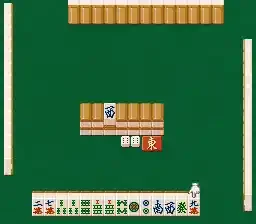
Play Mahjong Taikai II (Japan) online! It is one of the top-rated Super NES games you can play for free. No download, emulator, or setup required—jump straight into the action directly in your browser and start playing this classic in seconds.
The Legacy of Mahjong Taikai II
Mahjong Taikai II holds a special place in the hearts of gamers and enthusiasts of Japanese gaming. Released in the early ’90s, this title not only exemplifies the intricate gameplay mechanics typical of Mahjong but also reflects the cultural nuances of its origin. With its combination of competitive spirit and strategy, it offered a slice of Japan’s rich gaming culture that resonated deeply with players both locally and abroad. The nostalgic appeal of this classic game continues to captivate fans, making it a timeless piece of gaming history.
Core Gameplay Mechanics
The heart of Mahjong Taikai II lies in its challenging yet accessible gameplay mechanics. Players engage in traditional Mahjong sessions, striving to achieve specific tile combinations to win rounds against opponents. The game uniquely balances complexity and user-friendliness, making it appealing to both seasoned players and newcomers. Key features include:
- Multiple game modes catering to different skill levels
- AI opponents that adapt their strategies
- An array of tile sets that capture the essence of traditional Mahjong
Despite its straightforward objectives, mastery requires keen understanding and tactical foresight, keeping players engaged for hours. The thrill of competition and psychological warfare with opponents adds depth, reinforcing why this title remains a beloved choice among retro gaming communities.
Cultural Significance and Enduring Appeal
Beyond its gameplay, Mahjong Taikai II is a cultural icon. It was among the first Mahjong games to integrate vibrant graphics and sound design, making it a sensory feast for players in its time. The game’s success paved the way for future iterations and inspired a generation of developers to explore Mahjong as a captivating theme in digital format. Today, it is celebrated not just for its gameplay but also as a representation of Japanese culture, symbolizing strategic thinking and social interaction.
In conclusion, Mahjong Taikai II remains a cherished title decades after its release, continuing to influence both gamers and developers. Its innovative gameplay mechanics, enriched by cultural significance, ensure its place in the pantheon of retro gaming classics. Players who revisit this gem can appreciate its legacy while discovering the intricate world of Mahjong that it has helped popularize.