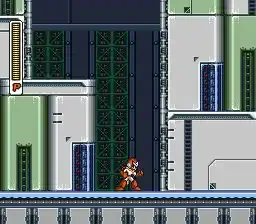
Play Mega Man X1: Proto Edition online! It is one of the top-rated Super NES games you can play for free. No download, emulator, or setup required—jump straight into the action directly in your browser and start playing this classic in seconds.
Mega Man X1: A Game-Changer in the Action Platformer Genre
The original release of Mega Man X1 in 1993 marked a pivotal moment in the action platformer genre. With its innovative gameplay and character design, this title has left an indelible mark on gaming history. Players step into the armored boots of X, a Maverick Hunter tasked with defeating rogue robots and saving the world. The implementation of advanced gameplay mechanics, such as wall-jumping and dashing, not only elevated the series but also set a high standard for future titles. Today, it remains a beloved classic, celebrating its unique blend of challenge and engaging storytelling.
Gameplay Mechanics and Challenges
One of the most distinct attributes of Mega Man X1 is its sharp gameplay mechanics, which successfully merge agility and combat. Players navigate through intricate levels filled with enemies, traps, and bosses, employing a variety of weapons and abilities. The game’s difficulty curve presents a fair challenge, requiring players to master their control over X’s unique abilities. This includes the evocative dash move, which allows for fluid movement through complex stage designs. Furthermore, players can acquire various weapons from defeated bosses, creating a strategic layer that enhances replayability and encourages exploration.
Historical Release Background
Launched for the Super Nintendo Entertainment System, Mega Man X1 was a direct evolution of the legacy established by its predecessors. It seamlessly incorporated enhanced graphics and audio, allowing the game to stand out during the competitive early ’90s gaming landscape. Once it hit the market, it quickly became a commercial success, largely due to its innovative design and hook of a new protagonist, X, who resonated with a new generation of gamers.
The Lasting Legacy of Mega Man X1
The cultural impact of Mega Man X1 is profound; it has inspired countless sequels, spin-offs, and a dedicated fan community. The game not only popularized the franchise but also introduced new players to retro gaming. Its soundtrack, composed by Setsuo Yamamoto, is celebrated for its catchy melodies and continues to endure in video game music lore. Mega Man X1 remains a pivotal reference point for action platformers, influencing countless developers and games that followed. As gamers reflect on their experiences with this cherished classic, it becomes clear that its legacy is as robust as ever.
Ultimately, Mega Man X1 exemplifies what makes retro gaming so compelling. Its blend of innovative mechanics, captivating gameplay, and an enduring legacy ensure that it will always hold a special place in the hearts of both long-time fans and newcomers alike.